Why Do Fine Line Tattoos Fade? The Science Behind Fine Line Tattoo Longevity
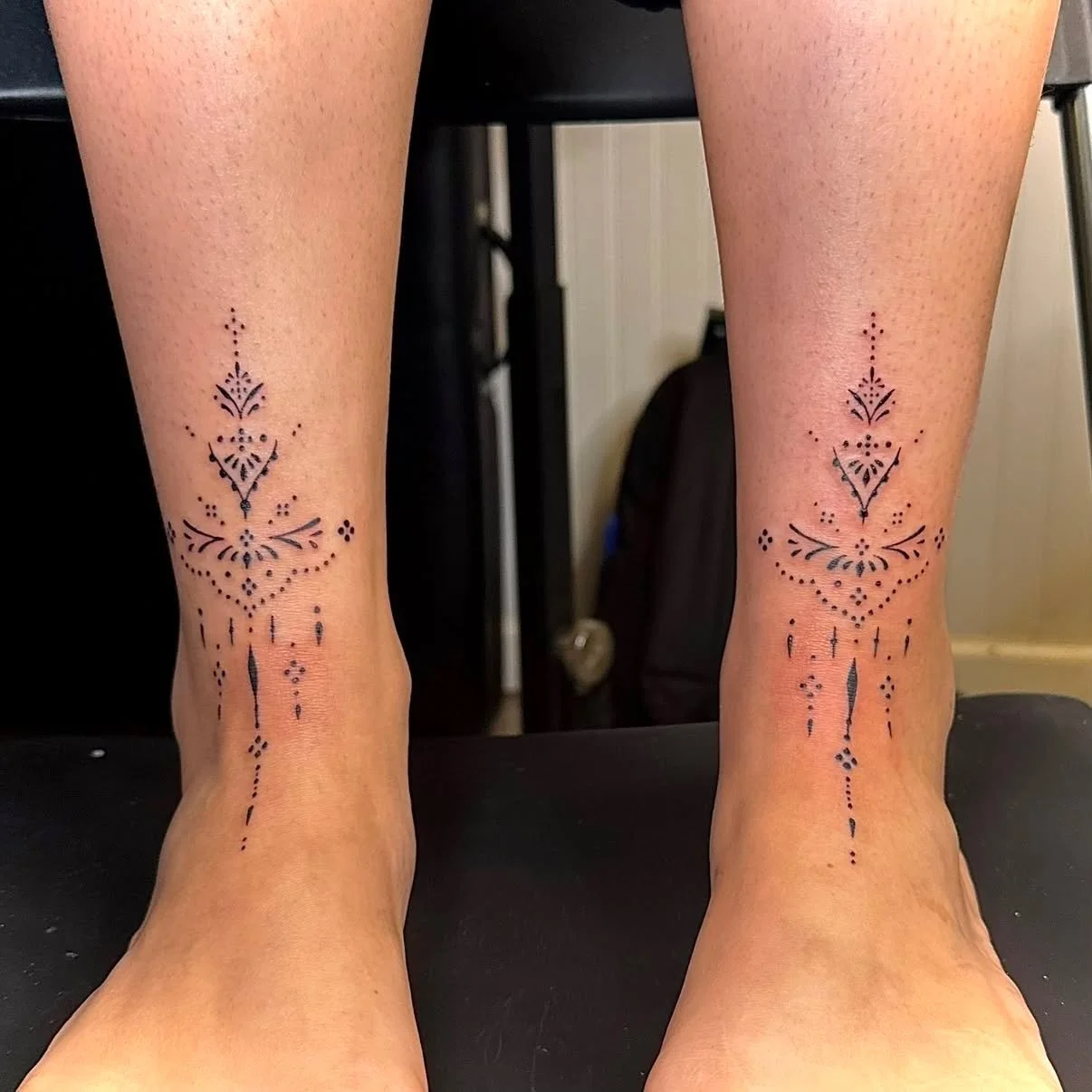
Fine line tattoos have become popular for their delicate appearance, clean details, and understated look. But one question comes up often after someone starts researching this style:
Why do fine line tattoos fade?
The short answer is that all tattoos can change over time. Fine line tattoos can sometimes appear to fade more noticeably because their designs rely on thin lines, subtle contrast, and relatively delicate visual details. Even a small amount of pigment change or line softening can be easier to notice in this type of tattoo.
That does not mean a fine line tattoo is automatically temporary or destined to disappear.
Tattoo pigment is placed into the dermis, where it can remain for many years. Research has shown that tattoo pigment can persist inside skin cells long after a tattoo is applied. A 2023 human study found carbon black pigment in tattoos that were up to nine years old, including pigment located in the dermis.
The more useful question is not simply whether fine line tattoos fade, but why their appearance can change and what can help preserve them.
Do Fine Line Tattoos Fade Faster Than Other Tattoos?
There is an important distinction here.
There is not enough high-quality research to say that every fine line tattoo fades faster than every traditional, black-and-grey, or larger tattoo.
Instead, fine line tattoos can be more visually sensitive to changes.
Imagine two tattoos.
One has thick black lines and substantial areas of shading.
The other consists of extremely thin lines with lots of open skin.
If both tattoos experience some natural softening over time, the change may be much more noticeable in the fine line design.
A thicker line has more visual density to begin with. A delicate line has less margin for change.
This is one reason fine line tattoos in Kennesaw should be designed with long-term appearance in mind rather than focusing only on how delicate the tattoo looks immediately after the appointment.
What Happens to Tattoo Ink Under the Skin?
Tattooing places pigment into the dermis, a deeper layer of skin beneath the epidermis.
The pigment does not simply sit there untouched.
Research into tattoo biology has shown that immune cells called macrophages play an important role in retaining tattoo pigment. When these cells die, pigment can be released and captured again by other macrophages. This helps explain why tattoos remain visible for such long periods.
A 2023 human imaging study also found tattoo pigment within several types of skin cells in both fresh and older tattoos.
This matters when discussing fine line tattoo fading because the tattoo is part of living skin.
Over the years, the skin changes.
The pigment changes.
And the relationship between the pigment and surrounding tissue can change as well.
Reason #1: Fine Lines Have Less Visual Margin
The defining feature of a fine line tattoo is also one of its biggest considerations for longevity.
The lines are thin.
That creates a beautiful, delicate appearance, but it also means that small changes can have a noticeable effect.
A line that becomes slightly softer may still be perfectly present but no longer look as crisp as it did when it was brand new.
With a large, heavily saturated tattoo, similar changes may be less obvious because the design contains more pigment and stronger visual contrast.
This is not necessarily a flaw in the tattoo.
It is simply part of how delicate artwork interacts with living skin over time.
Reason #2: Sun Exposure Can Fade Tattoo Pigment
UV exposure is one of the most important factors to consider when discussing tattoo fading.
The American Academy of Dermatology explains that ultraviolet light can fade some tattoo inks and recommends protecting healed tattooed skin with broad-spectrum, water-resistant SPF 30 or higher.
You can read the American Academy of Dermatology's tattoo skin care guidance for dermatologist-backed recommendations on protecting tattooed skin.
This is particularly relevant to tattoos placed on areas that regularly receive sunlight, such as:
Forearms
Hands
Shoulders
Upper arms
Legs
Ankles
Feet
Neck
If you spend a lot of time outdoors in Kennesaw or throughout Georgia, regular sun protection can be an important part of maintaining the appearance of a healed tattoo.
Reason #3: Skin Aging Changes the Canvas
A tattoo does not age independently of the skin surrounding it.
As skin ages, its structure and appearance change. Elasticity, texture, hydration, and collagen all influence how the surface of the skin looks.
A fine line tattoo may therefore look different several years after it was applied even if the pigment itself remains present.
This is another reason it can be misleading to judge tattoo longevity only by asking how long the ink "stays."
The ink may still be there.
The visual appearance can simply become softer.
Scientific research has also demonstrated that tattoo pigment can remain within the skin for years while being distributed among different types of cells in the dermis.
Reason #4: Placement Makes a Difference
Where you put a fine line tattoo can influence how it ages.
Some areas experience considerably more friction, movement, washing, or environmental exposure than others.
Hands and fingers are common examples.
They are washed frequently, exposed to sunlight, used constantly, and subjected to friction throughout the day.
Feet can experience friction from socks and shoes.
Wrists and forearms can receive substantial sun exposure.
Areas near joints can experience repeated movement and stretching.
This does not mean you cannot get a fine line tattoo in these locations.
It simply means that tattoo placement in Kennesaw should be part of the conversation when planning a delicate design.
Reason #5: The Design Itself Matters
Fine line does not mean every design is equally delicate.
A small tattoo with simple black outlines may age differently from an extremely detailed fine line illustration containing tiny gaps, miniature lettering, and numerous closely spaced lines.
Design density matters.
If several extremely thin lines are placed very close together, natural softening over time can make them appear closer together.
An experienced artist can take this into account when developing the design.
That is one reason a custom tattoo consultation in Kennesaw can be useful for people who want a fine line piece. The goal should not be to create the thinnest possible line at all costs.
The goal is to create a design that looks intentional when it is new and continues to make sense as the skin changes.
Reason #6: Aftercare Affects the Early Healing Process
Aftercare cannot stop the natural aging of a tattoo, but proper care during healing is still important.
A new tattoo is healing skin.
Picking, scratching, excessive irritation, and ignoring aftercare instructions can interfere with the healing process.
Southern Ink Kennesaw's tattoo healing guide in Kennesaw explains that tattoos commonly go through redness, dryness, peeling, itching, and other changes during the healing period.
The American Academy of Dermatology also recommends gentle care for tattooed skin and advises using a water-based lotion or cream when the tattooed area feels dry.
For a fine line tattoo, allowing the skin to heal properly is especially important because the finished appearance should be evaluated after the initial healing process rather than immediately after the tattoo session.
Reason #7: Sun Protection Matters After Healing Too
One common mistake is thinking sun protection only matters during the first few weeks.
It does not.
Once your tattoo has healed, protecting the area from excessive UV exposure can help preserve its appearance.
The AAD recommends broad-spectrum, water-resistant SPF 30 or higher for tattooed skin exposed to the sun.
This is especially important for fine line tattoos because delicate designs can make subtle changes in contrast easier to notice.
A daily sunscreen routine can therefore be useful if your tattoo is regularly exposed to sunlight.
Can Fine Line Tattoos Last for Years?
Yes.
Fine line tattoos can remain visible for many years.
The question is how the design will look as it naturally changes.
Scientific research supports the fact that tattoo pigment can remain in the skin for long periods. A human study published in Dermatology detected carbon black pigment in tattoos that had been present for up to nine years.
At the same time, research also shows that tattoo pigments can undergo changes caused by factors including light exposure and biological processes.
A systematic review published in the Journal of Exposure Science & Environmental Epidemiology found that research into tattoo pigment degradation from sunlight, laser exposure, and metabolism is still developing, with significant gaps in our understanding of what happens to different pigments over time.
So the most accurate answer is:
Fine line tattoos can last, but no tattoo stays completely unchanged forever.
Does Fine Line Tattoo Aftercare Prevent Fading?
Good aftercare helps protect the tattoo while the skin is healing, but it cannot completely prevent natural aging.
During healing, follow your artist's instructions carefully.
Avoid:
Picking or scratching
Excessive friction
Soaking the tattoo
Unnecessary irritation
Direct sun exposure while the tattoo is healing
After the tattoo has healed, protecting the skin from UV exposure becomes particularly important.
If you're also active or exercise regularly, consider how sweat and friction affect the location of a new tattoo. Southern Ink Kennesaw's guide to exercising after getting a tattoo explains why workout routines may need temporary adjustments during the healing period.
Can Fine Line Tattoos Be Touched Up?
Sometimes.
A touch-up may be appropriate after the tattoo has completely healed if certain areas have healed lighter than expected or if the finished tattoo needs minor adjustments.
However, you should not assume a tattoo needs a touch-up simply because it looks different during the first few weeks.
Fresh tattoos go through a healing process.
Peeling, dryness, temporary dullness, and changes in the surface of the skin can make the tattoo look different before it settles.
If you are concerned about how a healed tattoo looks, speak with your tattoo artist so they can evaluate it properly.
How Can You Make a Fine Line Tattoo Last Longer?
You cannot stop every natural change, but several habits can help protect the appearance of your tattoo.
Choose an Appropriate Design
A skilled artist can help create a fine line design with enough spacing, proportion, and structure to age gracefully.
Consider Placement Carefully
Think about sun exposure, friction, movement, and your everyday lifestyle.
Follow Your Artist's Aftercare
Do not improvise during the healing process based on random social media advice.
Protect Healed Skin From UV Exposure
Use broad-spectrum SPF 30 or higher on healed tattooed skin when it will be exposed to the sun.
Keep Your Skin Healthy
Healthy, moisturised skin provides a better surface for tattoo artwork over the long term.
Be Realistic About Aging
A tattoo is permanent, but its appearance is not frozen in time.
Fine line tattoos can soften.
Skin changes.
Pigment can change.
That is part of having artwork on a living body.
Are Fine Line Tattoos a Good Choice for a First Tattoo?
They can be.
Fine line tattoos appeal to people who want something subtle, minimal, meaningful, or highly detailed.
But if you're considering your first tattoo in Kennesaw, it is worth discussing your expectations with an experienced artist before deciding on the style.
Think about:
How large you want the tattoo
Where you want it placed
How much sunlight the area receives
Whether the design contains tiny details
How often the area experiences friction
How important long-term crispness is to you
A consultation can help you decide if a fine line is appropriate for your particular idea and lifestyle.
When Should You Be Concerned About a Fading Tattoo?
Normal aging is not the same thing as a tattoo complication.
A tattoo may gradually become softer or lighter over the years without anything being wrong.
However, if you notice unusual changes in the skin itself, such as persistent redness, swelling, itching, pain, bumps, or another skin reaction, consider speaking with a dermatologist or other qualified healthcare professional.
The American Academy of Dermatology provides information about possible tattoo-related skin reactions and when professional medical evaluation may be appropriate.
The Bottom Line: Why Do Fine Line Tattoos Fade?
Fine line tattoos can appear to fade because their delicate design leaves less visual room for changes in pigment, line definition, skin texture, and contrast.
But it is important not to oversimplify the issue.
Fine line tattoos do not automatically disappear faster than other tattoo styles.
Their longevity depends on many factors, including the design, placement, pigment, sun exposure, skin changes, healing, and everyday habits.
Research shows that tattoo pigment can remain in the skin for many years, while also undergoing biological and light-related changes over time.
If you're considering a fine line tattoo in Kennesaw, focus less on finding a promise that the tattoo will "never fade" and more on choosing an appropriate design, placement, experienced artist, and realistic long-term expectations.
A beautiful fine line tattoo is not necessarily one that looks exactly the same forever.
It is one that is thoughtfully designed to age with you.
Frequently Asked Questions About Fine Line Tattoo Fading
Why do fine line tattoos fade?
Fine line tattoos can appear to fade more noticeably because they use thin lines and delicate details. Small changes in pigment, contrast, skin texture, or line definition can therefore be easier to see.
Do fine line tattoos fade faster than regular tattoos?
There is not enough scientific evidence to say that all fine line tattoos fade faster than all other tattoo styles. Their delicate appearance can simply make normal changes more noticeable.
How long do fine line tattoos last?
Fine line tattoos can remain visible for many years. Tattoo pigment can persist in the dermis for years, although the appearance of the tattoo can gradually change.
Does the sun make fine line tattoos fade?
Yes. UV exposure can contribute to tattoo pigment fading. The American Academy of Dermatology recommends protecting healed tattooed skin with broad-spectrum, water-resistant SPF 30 or higher.
Do fine line tattoos need more aftercare?
Fine line tattoos should receive the same basic careful healing approach as other tattoos. Follow your artist's specific instructions and avoid picking, scratching, excessive irritation, and unnecessary sun exposure during healing.
Are fine line tattoos good for hands and fingers?
They can be done in these areas, but hands and fingers experience frequent washing, friction, movement, and sun exposure. Those factors should be discussed with your artist before choosing the placement.
Can a faded fine line tattoo be touched up?
A healed tattoo may sometimes be touched up if an artist determines that it would benefit from additional work. Wait until the tattoo has completely healed before evaluating its final appearance.
Can you prevent a fine line tattoo from fading?
You cannot completely prevent natural tattoo aging, but good aftercare, thoughtful placement, avoiding excessive sun exposure, and protecting healed tattooed skin with sunscreen can help preserve its appearance.