How Long Does a Tattoo Take to Heal? Kennesaw Aftercare Guide
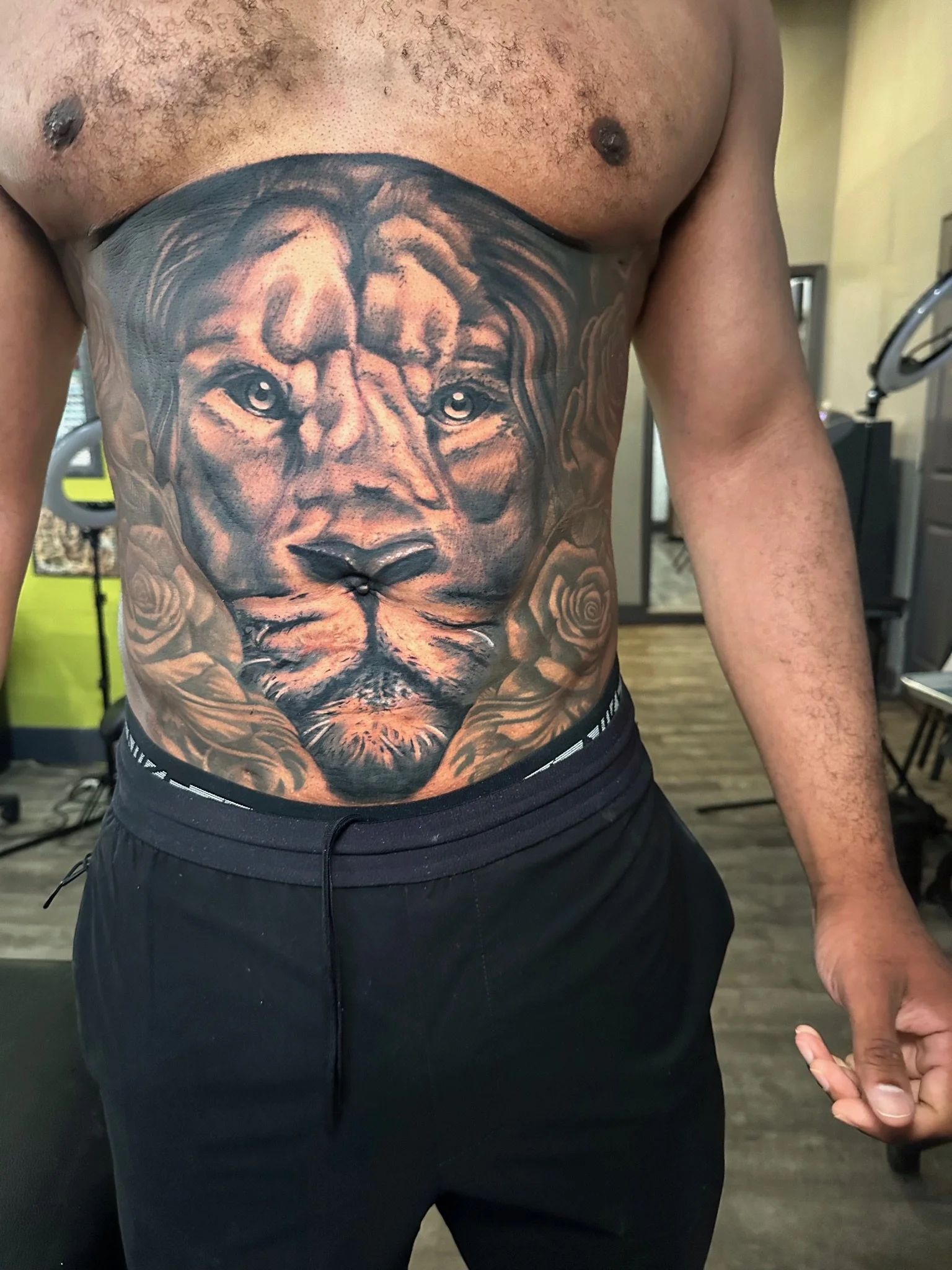
Getting a new tattoo is exciting, but the work doesn't stop when you leave the studio. Your skin needs time to recover, and knowing what to expect during the healing process can help protect both your skin and your new artwork.
So, how long does a tattoo take to heal? Most tattoos take several weeks for the surface of the skin to heal, while deeper layers can continue healing for longer. The exact tattoo healing time depends on factors such as the tattoo's size, placement, amount of detail, your skin and how well you follow your aftercare instructions.
If you recently got tattooed in Kennesaw or you're planning your first piece, here's what you need to know about the tattoo healing stages and how to care for your new ink.
Quick Answer: How Long Does a Tattoo Take to Heal?
A tattoo typically takes around 2 to 4 weeks for the surface of the skin to heal, but complete healing can take longer. Larger or more detailed tattoos may take additional time, and the skin can continue settling beneath the surface after the tattoo looks healed.
During the first few weeks, it is normal to experience some redness, tenderness, itching, flaking or light scabbing. These symptoms should gradually improve rather than become worse.
Your tattoo artist's specific aftercare instructions should always take priority because the recommended care can vary depending on the tattoo, bandage and products used.
What Are the Tattoo Healing Stages?
Tattoo healing isn't exactly the same for everyone, but most new tattoos go through a few recognisable stages.
Understanding these stages can make the process much less stressful, especially if this is your first tattoo.
Days 1 to 3: Fresh Tattoo Stage
Days 1 to 3: Fresh Tattoo Stage
Immediately after your appointment, your tattoo is essentially an area of freshly worked skin.
You may notice:
Redness
Mild swelling
Tenderness
Warmth around the area
Small amounts of fluid or ink residue
A tight or sensitive feeling
Some oozing during the early stage can be normal. Your artist will give you instructions about when and how to remove your protective covering.
One of the most important things you can do at this stage is avoid touching the tattoo unnecessarily. Always wash your hands before handling the area.
If you have questions about caring for your specific tattoo, speak directly with your artist at Southern Ink Kennesaw because aftercare instructions can vary depending on the tattoo and covering used.
Days 4 to 7: Drying and Early Healing
As the initial irritation settles, your tattoo may begin to feel dry or itchy.
This is when many people become tempted to scratch or pick at the skin.
Don't.
Itching can be frustrating, but scratching or pulling at peeling skin can irritate the area and interfere with the healing process.
Gently follow your artist's washing and moisturising instructions instead.
Week 2: Peeling and Flaking
This is often the stage when a new tattoo looks very different from what you expected.
The tattoo may:
Peel
Flake
Feel itchy
Look slightly dull
Develop small scabs
Is peeling normal after a tattoo?
Yes. Peeling and flaking can be a normal part of tattoo healing. Your skin is shedding damaged surface cells as it recovers.
The important part is to let the skin come away naturally.
Don't pull off flakes or scabs, even if they look loose.
Dermatologists also recommend avoiding behaviours that can irritate healing tattooed skin, including picking at scabs. Cleveland Clinic's tattoo aftercare guidance also recommends gentle care while your tattoo heals.
Weeks 3 to 4: The Tattoo Starts Settling
By this point, much of the visible peeling and irritation should have improved.
Your tattoo may begin to look clearer and more settled, although it can still appear slightly different from how it looked immediately after the appointment.
This is normal.
The skin underneath the tattoo is still recovering, so don't assume that a tattoo is completely healed simply because it no longer looks irritated.
Week 5 and Beyond: Deeper Healing
When is a tattoo fully healed?
The surface of your tattoo may appear healed after several weeks, but deeper layers of skin can continue to recover beyond that point.
Cleveland Clinic explains that while the top layer may typically be healed around the two-month mark, deeper layers can take several additional months, depending on the tattoo and the individual.
That's why patience matters.
A tattoo can look great on the outside while your skin is still finishing the healing process underneath.
How Long Does Tattoo Skin Take to Heal?
There isn't one exact healing time that applies to every tattoo.
A small tattoo on an area that experiences little friction may settle relatively quickly. A large, heavily shaded or highly detailed tattoo can take longer.
Several factors can affect tattoo healing time, including:
Tattoo Size
A tiny tattoo generally affects less skin than a large back piece, sleeve or extensive custom design.
More tattooed skin can mean more healing time.
Tattoo Style and Detail
Highly detailed tattoos, heavy shading and areas with extensive colour work may require more work on the skin than a simple design.
Placement
Where you get tattooed can also affect the healing experience.
Areas that experience frequent movement, rubbing or contact with clothing may be more difficult to keep comfortable while healing.
Your Individual Skin
Everyone's skin responds differently.
Your personal healing time can depend on factors such as skin sensitivity, general health and how your skin responds to the tattooing process.
Aftercare
Your aftercare routine matters.
Keeping the tattoo clean, following your artist's instructions and avoiding unnecessary irritation can help support the healing process.
What Should You Do During Tattoo Aftercare?
Good tattoo aftercare doesn't need to be complicated.
The goal is to keep the area clean, avoid unnecessary irritation and give your skin enough time to recover.
1. Follow Your Artist's Instructions
Start with the instructions provided by your tattoo artist.
Your artist knows what type of covering was applied and can tell you when to remove it and what aftercare routine they recommend.
Different artists may use different bandages and products, so don't automatically copy someone else's routine from social media.
2. Wash the Tattoo Gently
Once your artist says it is time to clean the tattoo, wash it gently according to their instructions.
Avoid aggressive scrubbing.
Cleveland Clinic recommends gentle washing with warm water and a mild, fragrance-free soap during the early healing period.
3. Moisturise as Recommended
Healing skin can become dry and uncomfortable.
Use the product recommended by your tattoo artist and apply it as directed. Avoid covering the tattoo with excessive amounts of product.
The American Academy of Dermatology's tattoo care recommendations include using a water-based lotion or cream when tattooed skin feels dry.
4. Don't Pick or Scratch
This is one of the biggest rules of tattoo aftercare.
If your tattoo starts peeling or forming small scabs, let them fall away naturally.
Picking can irritate healing skin and potentially affect the finished appearance.
5. Avoid Excessive Sun Exposure
Freshly tattooed skin is especially vulnerable to irritation from the sun.
During healing, protect the tattoo from direct sun exposure according to your artist's instructions.
Once your tattoo has healed, regular sun protection is still important. The American Academy of Dermatology recommends broad-spectrum, water-resistant SPF 30 or higher to help protect tattooed skin and reduce fading caused by UV exposure.
This is particularly worth remembering in Kennesaw and throughout Georgia, where outdoor activities and strong sun exposure can be part of everyday life.
6. Don't Soak Your New Tattoo
Avoid activities that keep your healing tattoo submerged, such as swimming pools, hot tubs and baths, until your artist says the tattoo has healed enough.
A shower is generally different from soaking the tattoo, but always follow the specific instructions provided by your artist.
7. Wear Comfortable Clothing
If your tattoo is somewhere that normally rubs against clothing, choose loose, breathable clothing when possible.
Constant friction can make an already sensitive tattoo more uncomfortable.
What Does a Tattoo Look Like While Healing?
A healing tattoo doesn't always look its best during the process.
It may appear:
Brighter than expected immediately after the appointment
Red or slightly swollen
Dull as the skin begins peeling
Flaky or dry
Slightly cloudy during healing
More settled after the skin recovers
Don't panic if your tattoo looks different from the finished result during the first few weeks.
Your skin is going through a recovery process.
The important thing is that symptoms should generally improve over time rather than become increasingly painful or inflamed.
When Should You Be Concerned About a Healing Tattoo?
Some redness, soreness, peeling and mild swelling can occur during normal healing.
However, worsening symptoms deserve attention.
According to the American Academy of Dermatology, possible warning signs of an infection include redness that spreads or becomes darker, increasing pain, pus, fever, chills or painful red bumps.
You should seek medical advice if you are concerned that your tattoo may be infected or if symptoms are getting worse instead of better.
Your tattoo artist can provide aftercare guidance, but they aren't a substitute for medical care when you have signs of a possible infection or significant skin reaction.
Tattoo Aftercare in Kennesaw: What Local Clients Should Know
Getting a tattoo in Kennesaw means dealing with the same basic healing process as tattoo clients anywhere else, but your everyday activities and environment still matter.
If you're spending time outdoors, working in a physically demanding job, exercising regularly or swimming, plan your tattoo appointment around your schedule.
For example, getting a large tattoo right before a beach trip, swimming event or physically demanding weekend may not be ideal.
Give your skin time to heal instead of trying to squeeze a tattoo appointment into a schedule that makes proper aftercare difficult.
If you're planning a new tattoo at Southern Ink Kennesaw, ask your artist about the expected healing process for your specific design and placement.
Does a Bigger Tattoo Take Longer to Heal?
It can.
A larger tattoo covers more skin, so there may be more surface area that needs to recover.
Large projects may also involve longer tattoo sessions or multiple appointments, which can make the overall healing experience different from that of a small tattoo.
If you're planning a sleeve, back piece or another large custom tattoo, talk with your artist about how to schedule sessions comfortably.
Does Tattoo Placement Affect Healing?
Yes, placement can influence your healing experience.
Areas that experience frequent movement, friction or contact with clothing can be more challenging to care for.
For example, a tattoo near a frequently moving joint may experience more movement than a tattoo placed on a relatively stationary area.
Your artist can help you think through placement based on your lifestyle, the design and how visible you want the tattoo to be.
Can You Get a Touch-Up While Your Tattoo Is Still Healing?
Generally, you shouldn't rush to judge the final result while the tattoo is still healing.
Peeling, temporary dullness and changes in the appearance of the skin can make a new tattoo look different before it settles.
If you think your tattoo needs a touch-up, wait until it has properly healed and speak with your tattoo artist.
They can assess the finished tattoo and determine whether a touch-up is actually necessary.
Frequently Asked Questions
How many days does a tattoo take to heal?
The surface of many tattoos takes roughly 2 to 4 weeks to heal, although the exact timeline varies. Deeper layers of skin can take longer to fully recover.
What does a tattoo look like while healing?
A healing tattoo can initially look red or swollen, followed by dryness, itching, peeling or light scabbing. It may also look dull or cloudy temporarily before the skin settles.
Is peeling normal after a tattoo?
Yes. Peeling can be a normal part of the tattoo healing process. Avoid picking or pulling at peeling skin and allow it to come away naturally.
When is a tattoo fully healed?
The surface may look healed after several weeks, but deeper layers can continue healing for longer. A tattoo shouldn't be judged by appearance alone during the early healing period.
How long does tattoo skin take to heal?
Many tattoos take several weeks for the surface to heal, but complete healing can take longer depending on the size, placement, detail and individual skin response.
Can I swim while my tattoo is healing?
It is generally recommended to avoid soaking a fresh tattoo in pools, hot tubs, baths or other bodies of water until it has healed sufficiently. Follow your tattoo artist's specific aftercare instructions.
Why is my tattoo itchy?
Itching can occur during normal healing, particularly when the tattoo begins drying and peeling. Avoid scratching and follow your recommended aftercare routine.
What if my tattoo becomes more painful?
Increasing pain, spreading redness, pus, fever or other worsening symptoms can indicate a problem such as an infection. Seek medical advice if you notice concerning symptoms.
Final Thoughts: Give Your Tattoo Time to Heal
So, how long does a tattoo take to heal?
For many people, the visible healing process takes several weeks, but complete healing can take longer. The best thing you can do is give your skin time, follow your artist's instructions and resist the urge to rush the process.
Your new tattoo is more than a design on your skin. It's a healing piece of artwork that needs proper care before you can see the finished result.
If you're considering your next tattoo in Kennesaw, choose an experienced tattoo studio, discuss your design and placement with your artist, and make sure you understand the aftercare before your appointment.
Ready to plan your next tattoo? Contact Southern Ink Kennesaw to discuss your tattoo idea and find out what's involved in creating your next piece.