Can You Exercise After Getting a Tattoo? What You Need to Know
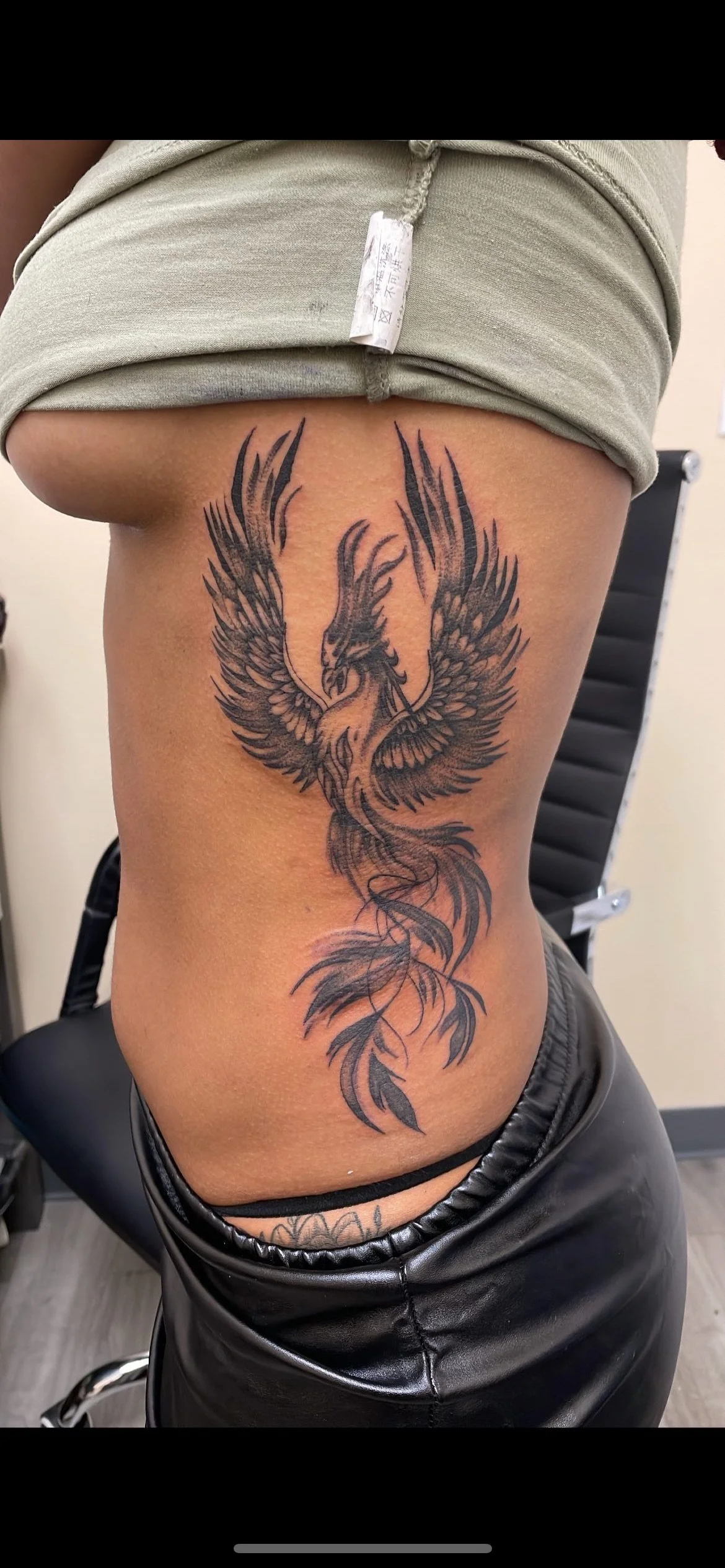
Getting a new tattoo doesn't necessarily mean you need to stop exercising for weeks.
However, heading straight from the tattoo studio to the gym is usually not the best idea.
A fresh tattoo is healing skin. During the first few days, the area can be sensitive, irritated, and more vulnerable to friction, sweat, bacteria, and unnecessary contact.
That means your normal workout routine may need a temporary adjustment.
The good news is that you usually don't have to give up exercise completely. The key is knowing when to return, which activities to avoid, and how to protect the tattoo while it heals.
Why Exercise Can Be a Problem for a Fresh Tattoo
Think about what happens during a typical workout.
You sweat.
Your clothes move against your skin.
You touch equipment.
You may lie on benches or mats.
You may spend time in a crowded gym.
Your heart rate increases and your body temperature rises.
None of these things are necessarily a problem by themselves.
The concern is that a freshly tattooed area is still recovering from the tattooing process.
The Mayo Clinic explains that tattooing involves puncturing the skin and that proper care is important while the area heals. Its tattoo and piercing guidance recommends keeping the area clean and avoiding activities that could interfere with healing.
This is why giving your tattoo a short break from intense physical activity can be worthwhile.
How Long Should You Wait Before Exercising?
There isn't one exact waiting period that applies to every tattoo.
The answer depends on:
Tattoo size
Tattoo placement
Amount of work performed
Your individual healing
Type of exercise
Amount of sweating
Clothing and equipment involved
Whether the tattoo is covered or exposed
For a small tattoo in an area that won't experience much friction or movement, a person may be able to return to light activity relatively quickly.
A large tattoo covering an area that moves constantly during exercise may require more caution.
Your tattoo artist's specific aftercare instructions should take priority because they know what work was performed and what covering or aftercare method was used.
The First 24 to 48 Hours Matter
The first day or two are when you should be particularly cautious.
Your new tattoo may feel:
Warm
Tender
Sensitive
Slightly swollen
Red around the area
Similar to a mild sunburn
You don't necessarily need to stay completely inactive.
Walking, relaxing, and normal low-impact daily activity may be fine depending on your tattoo and how you're feeling.
The main goal is to avoid unnecessarily irritating the fresh tattoo.
This is not the ideal time for an intense workout that leaves you drenched in sweat.
What About Sweating?
Sweat is one of the biggest reasons people question whether they can exercise after getting tattooed.
Sweating itself does not automatically ruin a tattoo.
The bigger concern is what comes with the workout.
Sweat can remain on the skin.
Clothing can rub against the tattoo.
You may wipe the area repeatedly.
You may touch it with your hands.
Gym equipment may come into contact with the tattoo.
These factors can create additional irritation.
If you do exercise while your tattoo is healing, keep the session appropriate for your recovery and follow your artist's instructions for cleaning the tattoo afterward.
Running After Getting a Tattoo
Running may seem relatively harmless compared with weightlifting.
But placement matters.
A new tattoo on your thigh can experience friction from running shorts.
A tattoo around your ankle may rub against socks or shoes.
A tattoo on your back can be affected by clothing and sweat.
A tattoo on your chest may experience movement from repetitive arm motion.
Before running, consider whether your tattoo will be exposed to repeated rubbing.
If it will, waiting a little longer may be the smarter choice.
Can You Lift Weights After Getting a Tattoo?
Weightlifting creates a different set of concerns.
Your skin stretches as muscles move.
You may also come into direct contact with benches, pads, cables, bars, and other equipment.
For example, a fresh tattoo on your shoulder could repeatedly contact a bench during certain exercises.
A tattoo on your forearm may come into contact with equipment.
A tattoo on your hand can be exposed to frequent gripping.
If an exercise directly rubs, presses, stretches, or repeatedly contacts the tattooed area, consider modifying the workout until the skin has had more time to recover.
What About Leg Day?
Leg workouts can be especially relevant when your tattoo is located on the:
Thigh
Knee
Calf
Shin
Ankle
Hip
Squats, lunges, leg presses, cycling, and other movements can cause repeated movement around the tattoo.
This doesn't mean you can never exercise after getting a leg tattoo.
It means you should consider whether the specific exercise creates friction or excessive movement around the healing area.
Can You Go to the Gym With a New Tattoo?
You can eventually return to the gym, but timing and hygiene matter.
Gyms contain shared surfaces and equipment that are touched by many people.
The Centers for Disease Control and Prevention provides general guidance about cleaning and disinfecting frequently touched surfaces, which is especially relevant when considering shared gym equipment.
Avoid allowing a fresh tattoo to unnecessarily contact dirty or shared surfaces.
If your tattoo is in an area that will directly touch gym equipment, consider waiting or modifying your routine.
What About Swimming After Getting a Tattoo?
This is one area where you should be especially cautious.
Swimming pools, hot tubs, lakes, oceans, and other bodies of water can expose healing skin to microorganisms and other contaminants.
The NHS advises people with new tattoos to avoid swimming until the tattoo has healed.
You can read the NHS guidance on tattoo aftercare for additional information.
So if your idea of "working out" includes swimming laps, a hot tub afterward, or spending time in a pool, you should wait until your tattoo has sufficiently healed.
What About Saunas and Steam Rooms?
Saunas and steam rooms are also worth putting on pause.
The combination of heat, moisture, sweating, and shared surfaces isn't ideal for a fresh tattoo.
You don't need to permanently give up these activities.
Simply give your tattoo enough time to heal before returning to them.
Your Tattoo Placement Changes the Answer
There is a big difference between exercising with a tattoo on your forearm and exercising with one across your hip.
Upper Arm
Many workouts may be possible with modifications, depending on the tattoo's exact location.
Back
Avoid exercises that repeatedly press the tattoo against benches or equipment.
Chest
Movements involving the chest and shoulders may stretch the area.
Thigh
Running, cycling, squats, and other leg movements may create friction.
Foot or Ankle
Shoes and socks can create repeated contact.
Ribs
Certain movements and tight clothing may cause additional friction.
This is why general advice cannot replace consideration of your tattoo's exact placement.
Clothing Can Make Exercise More Difficult
What you wear can matter almost as much as the exercise itself.
Tight clothing may rub against a fresh tattoo.
Rough fabrics can create unnecessary friction.
Sweaty clothing can remain against the skin after your workout.
If you return to exercise while your tattoo is still healing, choose clean, comfortable clothing that doesn't constantly rub the area.
For example, a fresh thigh tattoo may not pair well with tight compression shorts.
A fresh back tattoo may be irritated by certain tight athletic tops.
Think about contact before choosing your workout clothes.
What Should You Do After Exercising?
If your tattoo artist has cleared you to resume activity, pay attention to your post-workout routine.
Clean Up
Follow your artist's recommended cleaning instructions.
Don't aggressively scrub the tattoo.
Change Out of Sweaty Clothing
Don't leave sweaty workout clothes rubbing against the tattoo longer than necessary.
Avoid Picking or Scratching
Even if the tattoo becomes itchy as it heals, don't scratch or peel it.
Moisturise Only as Recommended
Don't apply excessive amounts of products simply because the skin feels dry.
Follow the aftercare instructions provided by your artist.
Signs You May Be Pushing Your Tattoo Too Hard
If your tattoo becomes increasingly irritated after exercise, take that as a reason to slow down.
Pay attention to:
Increasing redness
Worsening pain
Significant swelling
Excessive irritation
Unusual drainage
Increasing warmth
Skin that appears to be getting worse rather than better
The FDA notes that tattoos can sometimes result in infections or allergic reactions. Its tattoo safety information explains symptoms and risks that tattoo clients should be aware of.
If you are concerned that your tattoo may be infected or developing another complication, contact a qualified healthcare professional.
You Don't Have to Stop Being Active
One of the biggest misconceptions about tattoo aftercare is that getting tattooed means you need to become completely sedentary.
That's not necessarily the case.
Instead, think about modifying your routine.
If you normally lift weights five days a week, you might temporarily avoid exercises that directly involve or rub against the tattooed area.
If you are a runner, you may temporarily switch to gentle walking if your tattoo placement makes running uncomfortable.
If you normally swim several times a week, you may need to wait until the tattoo has healed before returning to the pool.
The goal isn't to stop moving.
The goal is to avoid unnecessary stress on healing skin.
What Tattoo Artists Want Clients to Understand
A tattoo artist can create beautiful artwork, but they cannot control what happens after you leave the studio.
That's where your habits matter.
You can have excellent tattoo work and still create problems by:
Scratching
Picking
Soaking the tattoo
Wearing irritating clothing
Exercising too intensely too soon
Ignoring aftercare instructions
Exposing the area unnecessarily to dirty surfaces
Good aftercare protects the investment you made in the tattoo.
What If You Have a Major Workout Scheduled?
If you have a major event coming up, plan your tattoo appointment around it.
This is particularly useful for:
Marathons
Bodybuilding competitions
Long-distance cycling events
Sports tournaments
Swimming competitions
Outdoor adventures
Extended gym sessions
If you know you're going to be sweating heavily or exposing the tattoo to friction, water, sunlight, or equipment, it may make sense to schedule the tattoo after the event instead.
Good tattoo appointment planning can make healing much easier.
A Simple Exercise Timeline
While healing varies, this general framework can help you think about your routine.
Immediately After the Tattoo
Prioritise rest and follow your artist's aftercare instructions.
First Few Days
Avoid activities that cause significant sweating, rubbing, pressure, or stretching around the tattoo.
As the Skin Settles
You may gradually return to appropriate activities, depending on the tattoo and how it is healing.
During Peeling and Itching
Continue avoiding scratching, picking, and unnecessary irritation.
After Healing
You can generally return to your normal exercise routine once the tattoo has fully healed and your artist or healthcare professional has no concerns.
Remember, this is a general framework, not a substitute for individual aftercare advice.
Planning Your Next Tattoo Around Your Workout Routine
If fitness is an important part of your lifestyle, mention it during your tattoo consultation.
Your artist can help you think through placement and timing.
For example, someone who trains their legs heavily may want to consider when to schedule a new thigh tattoo.
Someone who swims frequently may want to plan around their swimming schedule.
Someone who trains daily may need to build in a short recovery period.
These considerations can help you avoid unnecessary interruptions to your routine.
Frequently Asked Questions
Can you exercise after getting a tattoo?
You may be able to return to light activity relatively soon, but intense exercise should generally be limited while the tattoo is fresh. Consider the tattoo's size, location, and exposure to sweat, friction, pressure, and shared equipment.
How long should I wait to work out after getting a tattoo?
There is no universal waiting period. Your artist's aftercare instructions should take priority. The type of workout and tattoo placement also influence when it is reasonable to resume exercise.
Can I go to the gym after getting a tattoo?
You should be cautious about returning to a gym while the tattoo is fresh. Shared equipment, sweat, friction, and direct contact with benches or machines can irritate healing skin.
Can I sweat with a new tattoo?
Sweating does not automatically damage a tattoo, but heavy exercise can create conditions that increase irritation. Sweat combined with friction, clothing, touching, and shared equipment can be problematic.
Can I lift weights after getting a tattoo?
It depends on where the tattoo is located and which exercises you perform. Avoid workouts that directly rub, press, stretch, or repeatedly contact the fresh tattoo.
Can I run after getting a tattoo?
Running may be possible after a suitable recovery period, but consider friction from clothing and repetitive movement around the tattoo. A fresh tattoo on the thigh, ankle, foot, or other high-friction area may require more caution.
Final Takeaway
So, can you exercise after getting a tattoo?
Eventually, yes.
But the better question is:
What type of exercise can you safely do without unnecessarily irritating your healing tattoo?
A fresh tattoo needs time to recover. Heavy sweating, repeated friction, tight clothing, shared gym equipment, pressure, and swimming can all create challenges during the healing period.
You don't necessarily have to abandon your fitness routine.
Instead, temporarily modify it.
Pay attention to the tattoo's placement, listen to your artist's aftercare instructions, keep the area clean, and give your skin time to heal.
A little patience now can help you protect the tattoo you invested time and money into getting.