Why Does My New Tattoo Itch? A Kennesaw Healing Guide
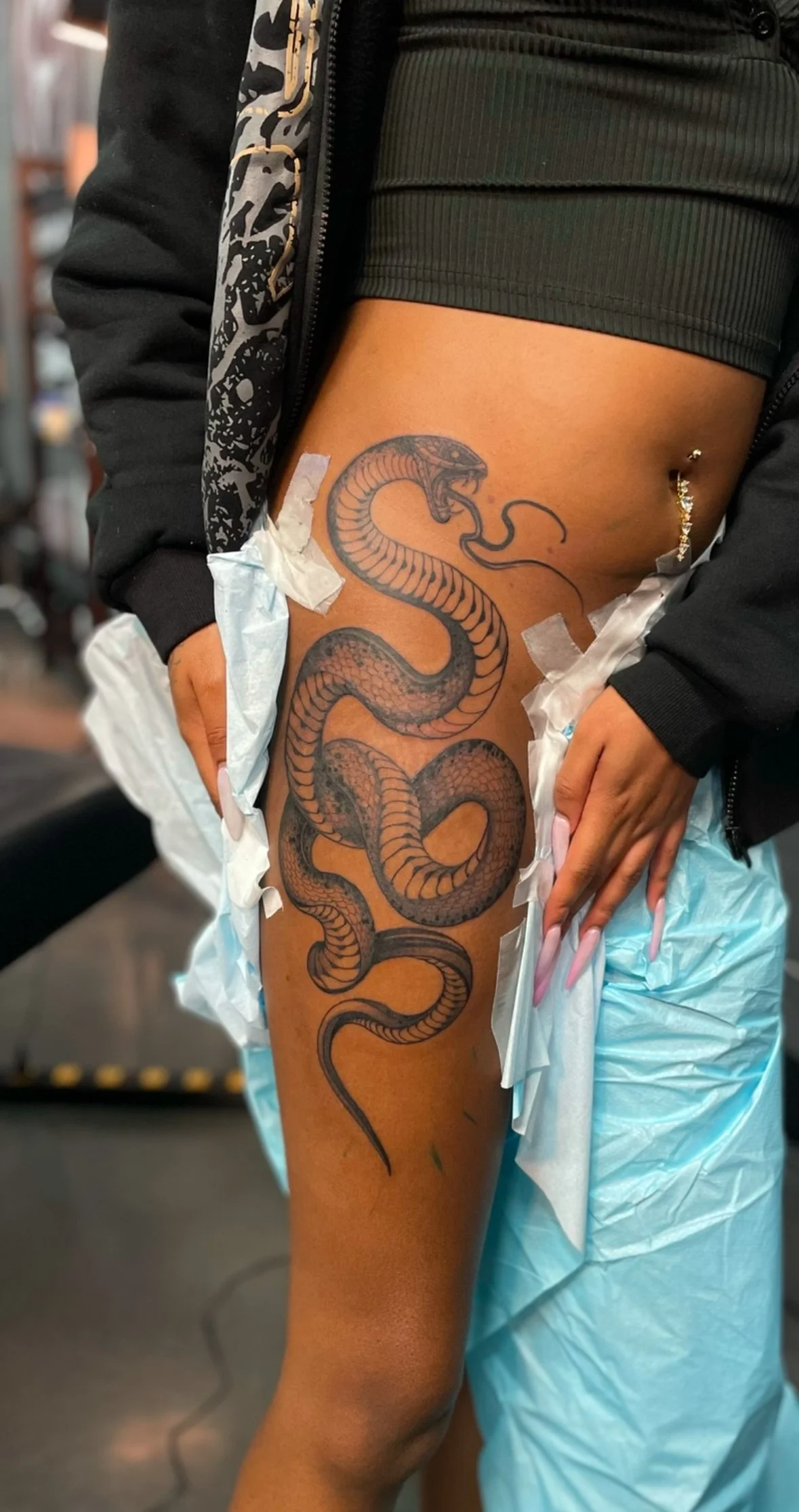
A new tattoo can look amazing one day and suddenly become really itchy a few days later.
That can leave you wondering:
Is something wrong with my tattoo?
In many cases, itching is simply part of the healing process.
As the skin repairs itself, it can become dry, flaky, tight, or irritated. The itching can become especially noticeable when the tattoo begins peeling.
But not every itchy tattoo should automatically be dismissed as normal.
The timing, appearance of the skin, and other symptoms matter.
If you've recently visited a Kennesaw tattoo shop, understanding what happens during healing can help you distinguish ordinary itching from signs that deserve professional attention.
When Does a New Tattoo Usually Start Itching?
Itching often becomes noticeable after the first few days, as the tattoo moves from the initial irritated stage into the next part of healing.
The exact timing varies from person to person.
A fresh tattoo is essentially an area of skin that has undergone repeated needle penetration. During healing, the body works to repair the skin.
As the surface becomes drier and begins shedding small amounts of dead skin, itching can become part of the experience.
You may notice:
Mild itching
Tightness
Dryness
Flaking
Peeling
Slight sensitivity
These symptoms can change from day to day.
One morning your tattoo may feel fine.
Later that evening, it may suddenly feel itchy.
That does not automatically mean something has gone wrong.
Why Does Tattoo Healing Make the Skin Itch?
The simple answer is skin repair.
Your body responds to tattooing as an injury to the skin. The healing process involves inflammation, tissue repair, and the formation of new skin.
As the outer layer recovers, dryness and peeling can contribute to an itchy sensation.
Think about how a small scrape can become itchy as it heals.
A tattoo involves a much larger area and may contain many layers of pigment, so the sensation can be more noticeable.
The American Academy of Dermatology's tattoo and piercing guidance provides additional information about tattoo care and protecting the skin during the healing process.
Is It Normal for a Tattoo to Itch and Peel?
Yes, itching and peeling can occur during normal tattoo healing.
The important distinction is how the skin looks and feels overall.
Mild itching accompanied by expected dryness or peeling is different from intense itching accompanied by worsening redness, significant swelling, pus, increasing pain, or other concerning symptoms.
Don't judge the healing process based on itching alone.
Look at the entire picture.
The Most Important Rule: Don't Scratch It
This is often easier said than done.
When a tattoo becomes itchy, your first instinct may be to scratch it.
Try not to.
Scratching can irritate healing skin and can also remove flakes before they are ready to come away naturally.
Picking at peeling skin can create additional irritation and potentially interfere with the appearance of the tattoo.
Instead, follow the aftercare instructions provided by your tattoo artist.
If you need a refresher on new tattoo care, start with the instructions given specifically for your tattoo rather than experimenting with multiple products.
What Can You Do Instead of Scratching?
If the itching is annoying, there are several ways to make the healing period easier without scratching the tattoo.
Keep Your Hands Off the Tattoo
This is probably the most important habit.
If you catch yourself reaching for the tattoo, stop and give the area some space.
Follow Your Aftercare Routine
Use the cleaning and moisturizing routine recommended by your tattoo artist.
Avoid adding products simply because someone online said they worked for them.
Keep Clothing From Constantly Rubbing the Area
Tight or rough clothing can make an already sensitive tattoo feel more irritated.
If your tattoo is located on your shoulder, thigh, back, chest, or another area that regularly experiences friction, pay attention to what comes into contact with it.
Avoid Picking at Flakes
Peeling can look strange.
You may see pieces of skin coming away from the surface and feel tempted to help the process along.
Let the skin shed naturally.
Can Dry Skin Make a Tattoo Itch More?
Yes.
Dryness can make the itching sensation more noticeable during tattoo healing.
That is one reason appropriate aftercare matters.
However, more moisturizer isn't automatically better.
Applying excessive amounts of product can leave the area overly coated and uncomfortable.
Follow the aftercare instructions provided by your tattoo artist and use products as directed.
If you are unsure what your tattoo needs, ask the artist rather than continually changing your routine.
Does the Location of the Tattoo Affect Itching?
It can.
Different parts of the body experience different levels of friction, movement, sweat, and exposure.
For example, a tattoo near a joint may move constantly throughout the day.
A tattoo on an area covered by clothing may experience more rubbing.
A tattoo on the hand or another exposed area may come into contact with more environmental factors.
That doesn't necessarily mean one location will heal better than another.
It simply means your daily routine can affect how noticeable irritation feels.
This is particularly relevant when planning tattoo ideas in Kennesaw because placement should be considered alongside the design.
Can Heat and Sweat Make an Itchy Tattoo Worse?
They can make an already irritated area feel more uncomfortable.
Kennesaw's warm-weather months can mean more outdoor activity, sweating, and exposure to heat.
If your tattoo is healing during a particularly hot period, pay attention to friction and moisture around the area.
Exercise may also cause increased sweating and rubbing depending on the tattoo's location.
Your artist may give you specific instructions regarding physical activity during healing, so follow those instructions.
What About Hot Showers?
A hot shower can feel great, especially after a long day.
A healing tattoo is another matter.
Very hot water can contribute to skin irritation and dryness.
For a new tattoo, keep showers reasonable and avoid treating the area roughly.
Don't scrub the tattoo.
Don't use an exfoliating product on it.
And don't allow your shower routine to become an excuse to pick or scratch peeling skin.
Can Sun Exposure Make an Itchy Tattoo Worse?
Sun exposure is something to take seriously while your tattoo heals.
Freshly tattooed skin is more vulnerable to irritation.
Avoid intentionally exposing a healing tattoo to strong sunlight, and follow your artist's instructions about sun protection.
Once the tattoo has healed, protecting tattooed skin from ultraviolet exposure is still important for maintaining the appearance of the artwork.
The FDA's sun safety guidance provides general information about protecting your skin from UV exposure.
What If My Tattoo Itches Weeks Later?
An occasional itch does not necessarily mean there is a problem.
But if itching continues or returns alongside other skin changes, pay attention.
Possible causes can include:
Dry skin
Irritation from products
Skin sensitivity
Allergic reactions
Other dermatological conditions
Tattooed skin can occasionally develop reactions to tattoo pigments.
The American Academy of Dermatology's information on tattoo-related skin reactions is a useful starting point for understanding potential skin reactions.
If you're concerned about a persistent or unusual reaction, a healthcare professional can evaluate the skin.
How Do You Know If an Itchy Tattoo Is Not Healing Normally?
Itching by itself doesn't tell the whole story.
Pay attention to symptoms that appear alongside it.
Contact a healthcare professional if you develop concerning symptoms such as:
Increasing rather than improving pain
Significant or worsening redness
Increasing swelling
Pus or unusual drainage
Fever
Red streaking
Skin that becomes increasingly hot or painful
A reaction that continues to worsen
The Mayo Clinic's tattoo and piercing guidance also discusses tattoo safety, healing, and potential complications.
An artist can explain normal aftercare, but they should not be expected to diagnose a medical condition.
Could Itching Mean I'm Allergic to My Tattoo?
Itching can occur with an allergic skin reaction, but ordinary healing can also cause itching.
That makes the surrounding symptoms important.
A reaction may involve changes such as a rash, bumps, persistent redness, swelling, or other unusual skin changes.
Reactions can sometimes appear shortly after tattooing, while others may occur later.
If your tattoo develops an unusual reaction that doesn't seem consistent with normal healing, seek medical advice.
Do not attempt to treat a significant reaction by repeatedly applying different products to the tattoo.
Why You Shouldn't Follow Every Tattoo Hack Online
The internet is full of tattoo aftercare advice.
Some recommendations are harmless.
Others may not be appropriate for your particular tattoo or skin.
You may encounter suggestions involving:
Household products
Heavy ointments
Essential oils
Aggressive exfoliation
Scratching or peeling
Homemade treatments
Unverified “healing hacks”
Your tattoo artist's aftercare instructions should be your starting point.
If something seems unusual, ask before putting it on a healing tattoo.
For broader tattoo safety information, the FDA's tattoo safety resource is another useful reference.
Kennesaw Weather and Tattoo Healing
Local conditions can influence your daily tattoo routine.
Kennesaw experiences hot, humid periods where sweating and outdoor activity become part of everyday life.
That can make aftercare slightly more challenging.
A new tattoo may be exposed to:
Sweat from workouts
Friction from clothing
Outdoor heat
Sunlight
Dust and environmental exposure
Frequent movement
This doesn't mean you need to stay indoors until your tattoo heals.
It means you need to be more intentional about caring for the area.
If you're planning a new tattoo in Kennesaw, consider your schedule when choosing your appointment date.
A week filled with swimming, outdoor sports, long hikes, or heavy physical activity may not be the most convenient time to begin the healing process.
How Long Does Tattoo Itching Last?
There isn't one exact timeline for everyone.
Tattoo healing progresses differently depending on factors such as:
Tattoo size
Placement
Amount of work performed
Individual skin response
Aftercare
Friction
Environmental conditions
For many people, itching is most noticeable during the peeling stage and gradually becomes less bothersome as the skin settles.
Don't panic if your tattoo doesn't follow exactly the same timeline as someone else's.
Healing is not a competition.
What Should a Healing Tattoo Look Like?
A healing tattoo can change considerably over the first several days and weeks.
It may initially look brighter or more irritated.
Later, it can appear dry, flaky, or somewhat dull.
The tattoo may temporarily look less vibrant while the outer skin is healing.
That can be surprising if you have never had a tattoo before.
Avoid judging the final appearance while the tattoo is still healing.
Give the skin time.
A Simple Itchy Tattoo Checklist
When your new tattoo starts itching, remember:
DO:
Follow your artist's aftercare instructions
Keep the tattoo clean
Use recommended aftercare products as directed
Wear clothing that minimizes unnecessary rubbing
Protect healing skin from unnecessary sun exposure
Monitor the tattoo for changes
DON'T:
Scratch
Pick peeling skin
Pull flakes off
Scrub the tattoo
Exfoliate the area
Soak the tattoo
Apply random products
Ignore worsening symptoms
The goal isn't to make the tattoo stop itching instantly.
The goal is to allow the skin to heal without unnecessary interference.
Before Your Next Tattoo in Kennesaw
Good aftercare actually begins before you leave the studio.
Before getting tattooed, make sure you understand:
How the tattoo will be covered
When to remove the covering
How to clean the area
What type of aftercare product to use
What activities to avoid
When you can return to your normal routine
What symptoms should concern you
If this is your first tattoo, don't hesitate to ask questions.
A professional artist should be able to explain the basic aftercare process and tell you what they recommend for the particular tattoo you've received.
If you're still researching your options, exploring tattoo artists in Kennesaw and reviewing their portfolios can help you find an artist whose style and approach match your project.
The Bottom Line: An Itchy Tattoo Isn't Automatically a Bad Tattoo
So, why does my new tattoo itch?
Most commonly, itching can be part of the skin's healing process.
As the tattooed area dries, flakes, and develops new surface skin, itching can become noticeable.
The important thing is not to scratch or pick at it.
Keep following your aftercare instructions and watch the tattoo as a whole.
Mild itching during healing can be expected.
Itching accompanied by worsening pain, spreading redness, significant swelling, drainage, fever, or other concerning changes deserves medical attention.
Your tattoo may be permanent, but the uncomfortable itching stage is not.
Give your skin time to do its job.
FAQs About Itchy New Tattoos
Why does my new tattoo itch so much?
A new tattoo can itch as the skin heals, dries, and begins peeling. The sensation can vary depending on the tattoo, placement, individual skin response, and aftercare routine.
Is it normal for a tattoo to itch while peeling?
Yes. Itching and peeling can occur during the healing process. Avoid scratching or pulling away flakes because the skin needs time to shed naturally.
Should I scratch my itchy tattoo?
No. Scratching can irritate healing skin and may interfere with the normal healing process. Try to leave the tattoo alone and follow your artist's aftercare instructions.
How long will my new tattoo itch?
There is no exact timeline because healing varies between people and tattoos. Itching is often more noticeable during the peeling stage and should gradually become less bothersome as healing progresses.
Can I put lotion on an itchy tattoo?
Use the aftercare product and application method recommended by your tattoo artist. Applying excessive amounts of product or repeatedly changing products can create additional irritation.
Why is my old tattoo suddenly itchy?
An older tattoo can occasionally become itchy for reasons unrelated to normal tattoo healing, including dry skin or a skin reaction. If itching is persistent or accompanied by a rash, bumps, swelling, or other unusual changes, consult a healthcare professional.
When should I worry about an itchy tattoo?
Seek medical advice if itching occurs with worsening pain, significant swelling, spreading redness, pus or unusual drainage, fever, red streaking, increasing warmth, or other symptoms that are getting worse rather than better.
Planning a Tattoo in Kennesaw?
A great tattoo isn't finished when you leave the studio.
The healing period is part of the process.
If you're looking for tattoo aftercare guidance in Kennesaw or planning your next piece, start by choosing an experienced artist, discussing your design and placement, and understanding the aftercare routine before your appointment.
And if your new tattoo starts itching a few days later, remember:
Don't scratch it. Don't panic. Give your skin time to heal.