Tattoo Sun Protection in Georgia: How to Protect Your New Ink
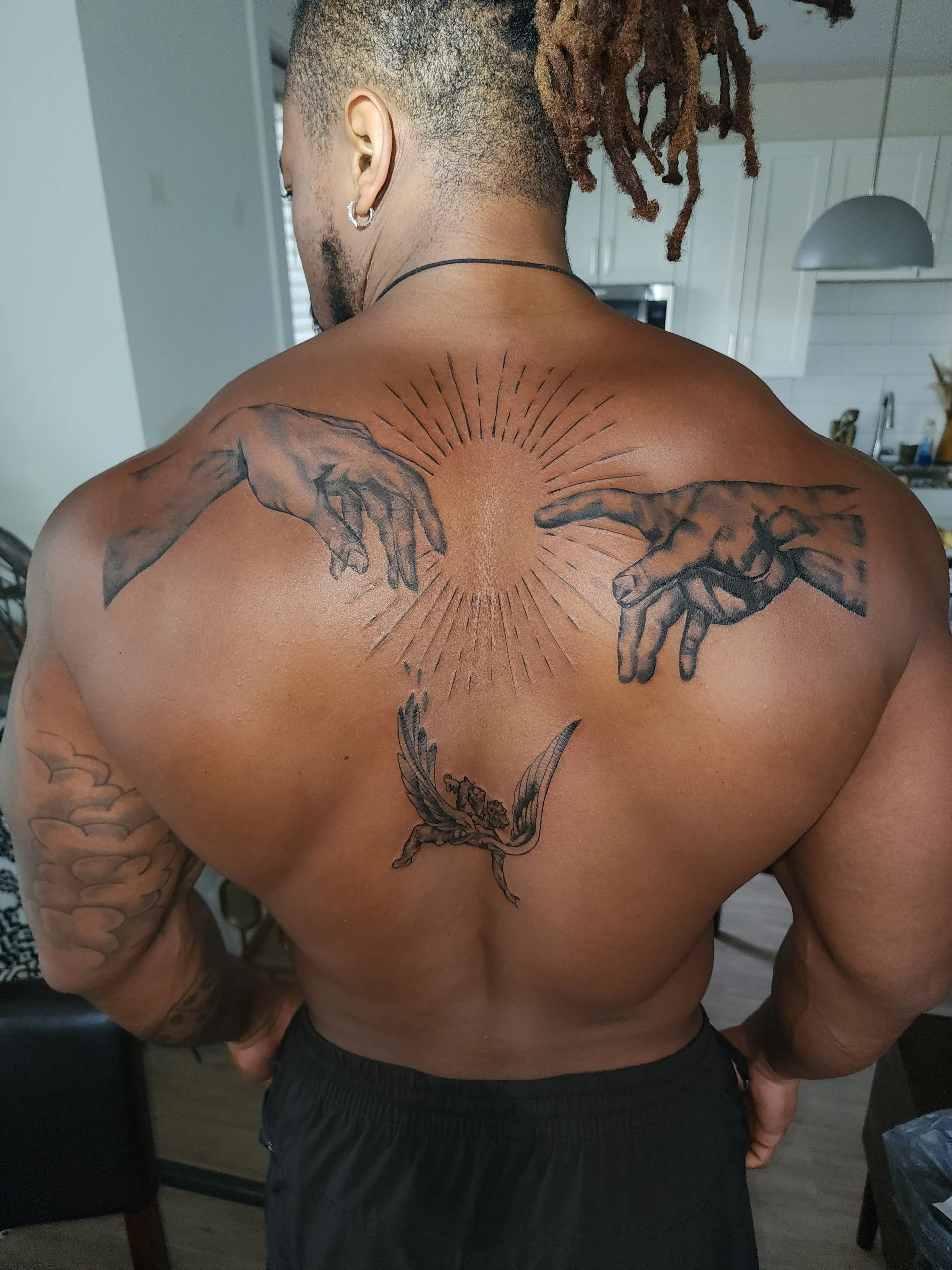
Georgia gives you plenty of reasons to spend time outside.
From Kennesaw’s parks and outdoor festivals to weekends at Lake Lanier, pool days, hiking trails, patios, sporting events, and trips to the Georgia coast, avoiding the sun completely is not realistic for most people.
But if you just got a new tattoo, your relationship with the sun needs to change temporarily.
Fresh tattoo + direct sunlight is not a good combination.
A new tattoo is healing skin, and ultraviolet radiation can damage skin while also contributing to tattoo fading over time. The American Academy of Dermatology recommends protecting tattooed skin from the sun because UV light can fade some tattoo inks.
That makes sun protection particularly important for anyone getting tattooed in Kennesaw and planning to spend time outdoors.
So when can you expose a new tattoo to the sun?
And when is sunscreen actually appropriate?
Let's break it down.
When Can You Expose a New Tattoo to the Sun?
The safest approach is to keep a new tattoo out of direct sunlight while it is healing.
Rather than relying on a specific number of days, pay attention to whether the skin has fully healed.
A fresh tattoo may experience redness, soreness, peeling, flaking, or scabbing as part of the healing process. The FDA notes that tattooed skin can experience redness, swelling, warmth, and other reactions after tattooing, while the AAD recommends protecting tattooed skin from sun exposure.
If your tattoo is still:
Peeling
Scabbing
Tender
Red or irritated
Oozing
Developing new skin over the tattoo
it is not the time to intentionally expose it to strong Georgia sunshine.
Your tattoo artist's specific aftercare instructions should take priority because healing can vary depending on the tattoo's size, placement, technique, and your individual skin.
Why Is Sun Bad for a Fresh Tattoo?
A tattoo involves putting pigment into the skin using needles.
Immediately afterward, the tattooed area is healing from that process.
Direct UV exposure adds another source of stress to the skin.
The problem isn't simply that sunlight can make a tattoo fade.
Sun exposure can also contribute to skin damage and sunburn.
The FDA explains that UV radiation can contribute to sunburn, premature skin aging, and skin cancer, and recommends combining sunscreen with other protective measures such as clothing and shade.
For a new tattoo, there is another practical concern: the skin is already recovering.
That is why protecting the tattoo during the early healing period is much more important than trying to "tough it out" in the Georgia heat.
Kennesaw’s Outdoor Lifestyle Makes Tattoo Sun Protection Important
Living in Kennesaw means outdoor exposure can happen without you deliberately planning a day at the beach.
You might spend several hours outside while:
Walking the BeltLine
Attending an Kennesaw festival
Watching a sporting event
Eating on a patio
Hiking
Going to a pool
Visiting a park
Gardening
Running errands
Driving with your tattoo exposed
Spending a weekend at a lake
That can add up to substantial UV exposure.
And you may not notice how much sun your tattoo is getting until the day is over.
This is especially relevant for tattoos on the forearms, hands, shoulders, calves, legs, neck, and other areas that are frequently exposed.
If you're planning your next tattoo in Kennesaw around an outdoor event, vacation, or summer activity, consider the timing before you book the appointment.
Can You Put Sunscreen on a New Tattoo?
Not while the tattoo is still an open, healing area unless your healthcare professional or tattoo artist specifically advises you to do so.
Sunscreen is useful for healed tattooed skin, but a fresh tattoo needs appropriate aftercare during its initial healing period.
Instead of relying on sunscreen immediately after getting tattooed, focus on physical protection.
That means keeping the tattoo covered with appropriate clothing and staying out of direct sunlight.
Once the tattoo has healed, sunscreen becomes an important part of protecting both your skin and the appearance of your tattoo.
The AAD recommends a broad-spectrum, water-resistant sunscreen with SPF 30 or higher for tattooed skin, applied 15 minutes before going outdoors and reapplied at least every two hours.
How to Protect a New Tattoo From the Georgia Sun
1. Use Clothing Instead of Sunscreen During Early Healing
If your tattoo is still healing, clothing can provide a practical barrier between the tattoo and the sun.
Choose loose, comfortable clothing that doesn't constantly rub against the tattoo.
For example:
A loose long-sleeve shirt for an arm tattoo
Lightweight pants for a leg tattoo
A loose cover-up for a shoulder tattoo
Appropriate clothing for a back or torso tattoo
The goal is to reduce direct sunlight without creating unnecessary friction against healing skin.
The AAD specifically recommends covering tattoos with clothing before going outdoors as part of sun protection.
2. Find Shade
Shade can make a significant difference when you're outside.
If you're attending an outdoor event in Kennesaw, sitting under a covered area can reduce direct exposure compared with staying in full sun.
Shade is especially useful when clothing cannot fully cover the tattoo.
However, shade does not mean zero UV exposure.
Use multiple protection strategies rather than assuming a tree, umbrella, or covered patio completely eliminates UV exposure.
3. Avoid Tanning Beds
If you're trying to protect your tattoo, tanning beds should not be part of your routine.
The AAD recommends staying away from tanning beds and sunlamps because UV exposure can fade tattoo ink and increase skin cancer risk. In some people, UV exposure can also trigger a reaction involving tattooed skin.
A tan is not worth compromising the appearance or health of your skin.
When Can You Start Using Sunscreen on Your Tattoo?
Once the tattoo is fully healed, sunscreen becomes one of your best tools for long-term tattoo protection.
A practical rule is to wait until the tattoo no longer has active peeling, scabbing, open areas, significant tenderness, or other signs that the skin is still healing.
If you're unsure whether your tattoo has healed enough for sunscreen, ask your tattoo artist or healthcare professional.
Once healed, the AAD recommends:
Broad-spectrum + water-resistant + SPF 30 or higher.
Apply it before going outdoors and reapply as directed.
The AAD recommends reapplying sunscreen at least every two hours, and more frequently when swimming or sweating according to the product's instructions.
Does Sunscreen Prevent Tattoo Fading?
Sunscreen can help reduce UV exposure, which can help protect tattooed skin and slow sun-related fading.
It cannot guarantee that your tattoo will look exactly the same forever.
Tattoos naturally change over time because of skin aging, normal wear, pigment characteristics, placement, and sun exposure.
But protecting your tattoo from UV exposure is one of the practical things you can control.
The AAD specifically notes that UV light can fade some tattoo inks.
That matters if you have invested in detailed artwork, bright colors, fine lines, or a large custom piece.
For clients researching custom tattoos in Kennesaw, long-term sun protection should be considered part of caring for the artwork, not an optional extra.
Are Some Tattoo Colors More Affected by the Sun?
Different pigments can respond differently to UV exposure, and tattoo fading is influenced by more than color alone.
Factors can include:
Ink pigments
Tattoo depth
Placement
Amount of UV exposure
Skin characteristics
Tattoo age
Aftercare
Sun protection habits
Instead of worrying about whether one specific color is "safe," focus on reducing unnecessary UV exposure overall.
That means protecting the tattoo whenever you are outdoors for extended periods.
What Happens If You Accidentally Expose a New Tattoo to the Sun?
Don't panic if your tattoo gets brief, accidental sun exposure.
The goal is to avoid intentional or prolonged exposure while the tattoo is healing.
If you accidentally spend time outside, get out of direct sunlight and protect the tattoo going forward.
Pay attention to how the skin looks and feels.
A tattoo that becomes increasingly painful, develops significant swelling, blisters, a spreading rash, or other concerning symptoms should be evaluated by an appropriate healthcare professional.
The AAD notes that some people can develop sun-related reactions on tattooed skin, including redness, swelling, itchy bumps, blisters, or hives.
Can You Go to the Beach With a New Tattoo?
A beach trip can be particularly challenging for a healing tattoo.
You're dealing with:
Direct sunlight
Heat
Sand
Water
Sweat
Clothing friction
Longer periods outdoors
The issue isn't only the sun.
Swimming and soaking can also conflict with standard tattoo aftercare during healing.
If you have an upcoming beach vacation, lake trip, or pool day, it may be worth planning your tattoo appointment around the trip rather than immediately before it.
That is especially important for anyone planning a new tattoo appointment in Kennesaw during Georgia's warmer months.
What About Swimming With a New Tattoo?
Swimming and sun exposure often go together, which makes pool and lake days particularly inconvenient during tattoo healing.
Do not assume that sunscreen makes swimming with a fresh tattoo acceptable.
A healing tattoo should be protected according to your artist's aftercare instructions, including guidance about water exposure.
If you know you have a vacation, pool party, lake weekend, or beach trip coming up, tell your tattoo artist before scheduling.
Planning ahead can be much easier than trying to protect a fresh tattoo in the middle of a vacation.
Should You Cover Your Tattoo With Clothing?
For a healing tattoo, appropriate clothing can be one of the simplest ways to reduce direct sun exposure.
But don't tightly wrap a healing tattoo simply to block the sun.
The covering method should follow the aftercare instructions provided by your tattoo artist.
Once the tattoo is healed, sun-protective clothing can also be useful for extended outdoor activities.
The AAD recommends clothing as part of comprehensive sun protection and suggests using fabric that provides effective coverage.
What About Cloudy Days in Georgia?
Cloudy does not mean UV-free.
UV radiation can still reach your skin on cloudy days, so don't assume an overcast Kennesaw afternoon means your tattoo does not need protection.
The FDA recommends sun protection throughout the year and notes that UV exposure occurs even when conditions do not feel intensely sunny.
This is especially important for healed tattoos.
A cloudy-day routine can still include:
Sunscreen on exposed healed tattooed skin
Protective clothing
Shade
Avoiding unnecessary prolonged exposure
Should You Change Your Tattoo Appointment Around Summer?
You don't necessarily need to avoid getting tattoos during summer.
But your schedule matters.
If you have several outdoor activities planned immediately afterward, getting a fresh tattoo may create an unnecessary conflict with your plans.
Think about what is coming up:
Beach vacation?
Lake weekend?
Outdoor festival?
Pool parties?
Long hiking trip?
Outdoor sports?
If the answer is yes, consider scheduling your tattoo so you have adequate healing time before those activities.
Good tattoo planning in Kennesaw isn't just about finding an available appointment. It also means considering what your skin will need afterward.
What If Your Tattoo Is on Your Hand, Forearm, or Other Exposed Area?
Some placements naturally receive more sun than others.
A tattoo on your forearm may be exposed while you're driving.
A hand tattoo can receive sun throughout the day.
A shoulder tattoo may be exposed when wearing a tank top.
A leg tattoo may receive direct sunlight during outdoor activities.
That doesn't mean you should avoid these placements.
It simply means sun protection should become part of your long-term tattoo routine.
For exposed tattoos, keeping sunscreen available can make the habit easier.
A Simple Georgia Tattoo Sun Protection Routine
Think of tattoo sun protection in two stages.
While Your Tattoo Is Healing
Protect it physically.
Follow your artist's aftercare instructions
Keep it out of direct sunlight
Use appropriate clothing when outdoors
Seek shade
Avoid tanning beds and sunlamps
Avoid activities that interfere with healing
After Your Tattoo Has Healed
Protect it from UV exposure.
Use broad-spectrum SPF 30 or higher
Choose water-resistant sunscreen when appropriate
Apply before outdoor exposure
Reapply as directed
Cover the tattoo when practical
Seek shade during prolonged outdoor activities
Avoid tanning beds
This two-stage approach is much more useful than simply asking, "What sunscreen should I use on my tattoo?"
Your Tattoo's Best Defense Is Consistency
You don't have to avoid Georgia's outdoors forever because you have a tattoo.
You simply need to develop better habits around sun exposure.
The same tattoo that looks crisp when it is new will eventually experience normal changes from time, skin aging, and environmental exposure.
You can influence some of those changes.
Protecting your tattoo from excessive UV exposure is one of them.
The AAD recommends broad-spectrum, water-resistant SPF 30 or higher for tattooed skin and emphasizes that sun protection helps keep tattoos looking their best.
Final Thoughts: Protect Your Ink Like You Protect Your Skin
Getting a tattoo is an investment in artwork that becomes part of your skin.
In Georgia, protecting that artwork means thinking beyond the first few days of aftercare.
During the healing period, prioritize keeping the tattoo away from direct sunlight and follow your artist's instructions.
After the tattoo has fully healed, make sunscreen, clothing, and shade part of your normal outdoor routine.
For Kennesaw tattoo clients, that can mean a little more planning around summer festivals, lake days, patios, hiking, sports, vacations, and other outdoor activities.
Your tattoo does not have to keep you indoors.
You just need to protect it when you go outside.
Frequently Asked Questions
When can you expose a new tattoo to the sun?
Keep a new tattoo out of direct sunlight while it is healing. Instead of relying on a fixed number of days, wait until the tattoo has fully healed and no longer has active peeling, scabbing, open areas, or significant irritation. Follow your tattoo artist's specific aftercare instructions.
How long should I keep my new tattoo out of the sun?
Keep direct sunlight off the tattoo during the healing period. Healing times vary depending on the tattoo and individual skin, so your artist's aftercare instructions should guide you.
Can I put sunscreen on a fresh tattoo?
A fresh tattoo should not be treated like fully healed skin. During the healing stage, prioritize physical protection and follow your artist's aftercare instructions. Once the tattoo has healed, sunscreen can be used to protect the tattoo from UV exposure.
What SPF is best for a healed tattoo?
The American Academy of Dermatology recommends broad-spectrum, water-resistant sunscreen with SPF 30 or higher for tattooed skin.
Does the sun make tattoos fade?
UV exposure can fade some tattoo inks. Protecting healed tattoos from sunlight can help reduce unnecessary UV exposure and preserve their appearance.
Can I go to the beach with a new tattoo?
It is better to avoid exposing a healing tattoo to prolonged sunlight, swimming, soaking, and other activities that can interfere with healing. If you have a beach trip coming up, consider scheduling your tattoo far enough in advance to allow it to heal.
Can I swim after getting a tattoo?
Follow your tattoo artist's instructions regarding swimming and water exposure. A pool, lake, ocean, or hot tub can create complications for a healing tattoo, so plan outdoor water activities around the healing period.
Can a tattoo get sunburned?
Yes. Tattooed skin can still experience sunburn and other UV-related skin damage. A tattoo does not protect the underlying skin from ultraviolet radiation.
Does sunscreen keep tattoo colors from fading?
Sunscreen helps reduce UV exposure, which can help protect tattooed skin and may help slow sun-related fading. It cannot completely prevent normal tattoo changes over time.
Should I avoid getting a tattoo right before a vacation?
If your vacation involves substantial sun exposure, swimming, or outdoor activities, scheduling a tattoo immediately beforehand may be inconvenient. Consider the healing period when planning your appointment.