Where Should You Get Your First Tattoo? A Kennesaw Guide to Placement, Pain, Size, and Aging
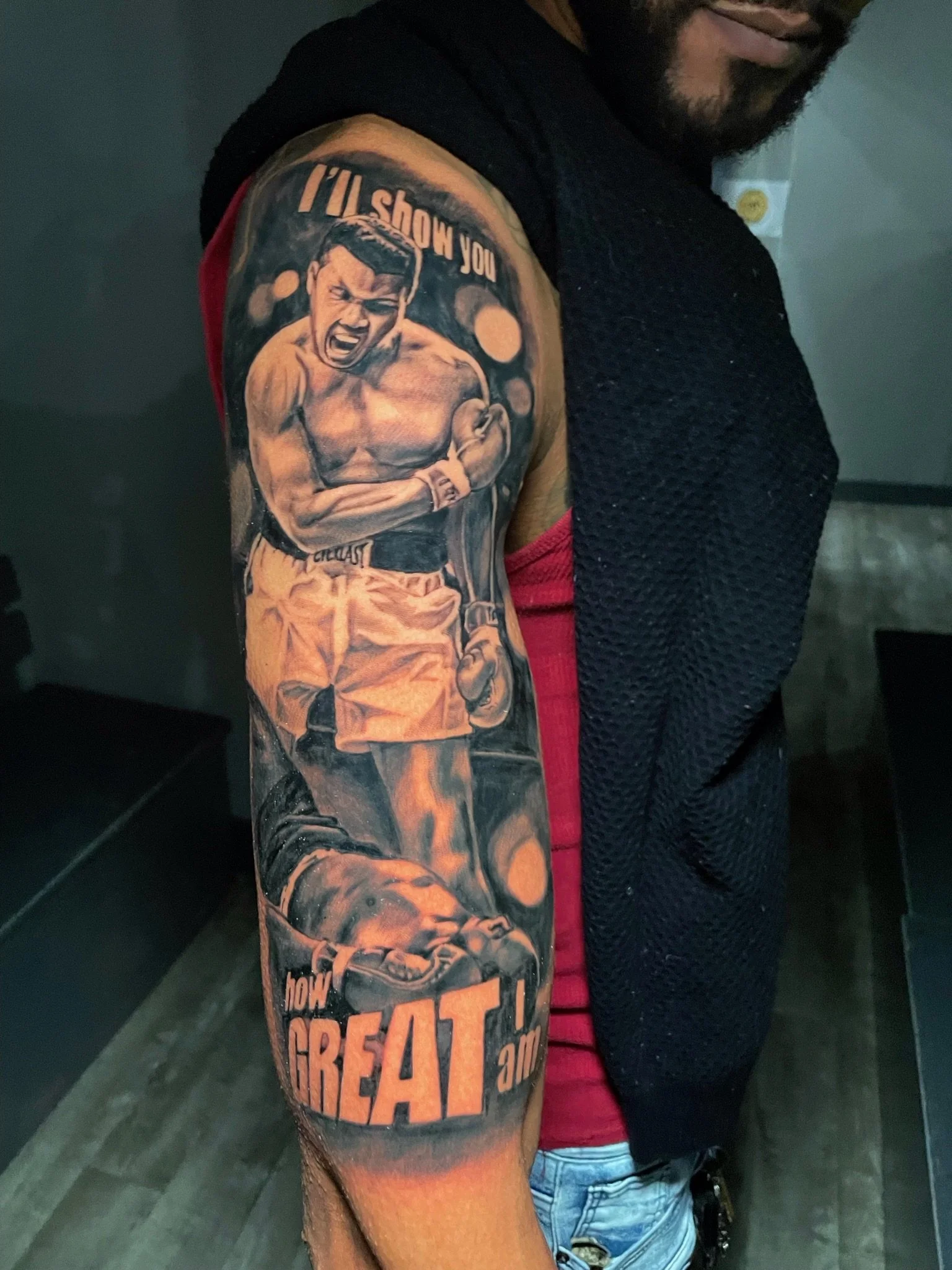
Getting your first tattoo is not only about choosing a design. You also have to decide where that design will live on your body.
For many first-time clients in Kennesaw, placement can be harder to decide than the tattoo itself. You may like the look of a tattoo on your forearm, but wonder about workplace visibility. You may love a rib tattoo, but feel nervous about pain. You may want something small, but worry that too much detail will be lost.
There is no single “best” place for a first tattoo. The right location depends on your lifestyle, career, pain tolerance, design, desired visibility, and how you want the tattoo to look years from now.
If you are planning your first tattoo in Kennesaw, these are the factors worth considering before choosing the spot.
Start With the Tattoo, Not Just the Body Part
One common mistake is deciding on a body location before considering how the design will work there.
A tattoo needs to follow the shape and movement of the body. A design that looks great as a square image on your phone may need to be adjusted to fit a curved arm, shoulder, thigh, calf, or back.
The size and orientation of the design can also affect the placement.
For example:
A narrow design may work naturally along the forearm.
A wider composition may suit the upper arm or shoulder.
A vertical design can follow the length of the calf.
A larger image may need more uninterrupted skin.
Fine details may require enough space to remain visually clear.
This is one reason a consultation can be useful. A professional tattoo artist can look at your design idea, the intended body area, and the amount of space available before you commit to the placement.
If you are considering custom tattoos in Kennesaw, discussing placement during the design process can also help make sure the artwork works with the natural shape of your body.
How Much Does Tattoo Placement Affect Pain?
Pain is one of the biggest concerns for first-time clients.
The important thing to understand is that tattoo pain is highly individual. People have different pain thresholds, and the experience can also vary according to the location, size, duration of the appointment, and tattooing technique.
Some areas have more bone close to the surface or can feel more sensitive because of the concentration of nerves. Areas such as the ribs, feet, hands, elbows, knees, and certain parts of the torso are often described as more sensitive.
Areas with more cushioning, such as portions of the outer upper arm or thigh, may feel more manageable for some people.
That does not mean you should choose a location solely because someone online called it “low pain.”
Your first tattoo should still make sense for the design.
If you're anxious about the experience, tell your artist before the appointment. Understanding what to expect can make the process less intimidating than trying to predict your pain tolerance from someone else's experience.
Where Should Your First Tattoo Go If You Want It Visible?
Before choosing a location, ask yourself:
Do I want to see my tattoo every day?
Some people love being able to look down at their tattoo throughout the day. Others prefer having a piece that remains mostly private.
More visible locations can include:
Forearms
Wrists
Hands
Lower legs
Neck
Upper chest
More easily concealed locations can include:
Upper thigh
Upper back
Shoulder
Upper arm
Rib area
Torso
There is also a middle ground.
For example, an upper-arm tattoo can be visible when wearing a sleeveless shirt while remaining covered by many work shirts. That flexibility can be valuable if you are not ready for a highly visible tattoo.
If you are comparing different tattoo styles in Kennesaw, think about visibility at the same time. A detailed realism piece and a small fine-line design can have very different visual effects depending on where they are placed.
What About Your Career?
Tattoos are common in many workplaces, but workplace expectations still vary.
Some employers and professions have appearance policies that address visible tattoos. Others have no restrictions at all.
If you are currently employed, check your workplace's dress and appearance policies before choosing a highly visible location.
If you are entering a career where appearance requirements may be more conservative, you may want to choose a placement that can be covered easily.
This does not mean a visible tattoo will automatically create a career problem. It simply means visibility is a practical factor worth considering before making a permanent decision.
A forearm tattoo, for example, gives you a very different level of visibility from an upper-thigh tattoo.
Think about your current work, your future career plans, and how much flexibility you want.
Is a Small Tattoo Better for Your First Tattoo?
A small tattoo can be a comfortable starting point, but smaller does not automatically mean easier.
The real question is:
How much space does the design need to remain clear?
Some designs work beautifully at a small size. Others contain details that need more room.
This matters particularly for fine-line work, lettering, small portraits, and designs containing several separate elements. Shrinking a detailed design too far can make it difficult to maintain the intended visual separation.
When discussing tattoo services in Kennesaw, ask the artist how large the design needs to be for the details to remain readable and balanced.
Southern Ink Kennesaw offers styles including fine-line, realism, black-and-grey, color realism, traditional, surrealism, and tribal or Afrocentric-inspired designs. The appropriate size can therefore depend heavily on the style and design you choose.
Instead of saying, “I want the smallest tattoo possible,” consider telling your artist:
“I want something relatively small, but I want the details to remain clear as it heals and ages.”
That gives the artist a better starting point.
Think About How Your Tattoo Will Age
A tattoo is designed to be permanent, so your decision should extend beyond how it looks on appointment day.
The skin changes over time. Sun exposure can also contribute to tattoo fading. The American Academy of Dermatology's tattoo skin care guidance recommends protecting tattooed skin from UV exposure and using broad-spectrum, water-resistant SPF 30 or higher when outdoors.
Placement can therefore be considered alongside your everyday habits.
Ask yourself:
Will this area receive a lot of sun?
Is the tattoo regularly exposed to friction?
Will clothing frequently rub against it?
Does the area move frequently throughout the day?
Will the design have enough space for its details?
No tattoo placement can completely stop natural aging or fading. Good aftercare and long-term skin protection can help you take better care of the tattoo and the skin around it.
One Detail People Often Forget: Moles and Skin Changes
There is another placement consideration that is less obvious but important.
The American Academy of Dermatology's tattoo recommendations advise considering tattoo placement on skin that is free of moles because tattoos can make it harder to notice changes in the skin.
If you have an area with numerous moles or other skin concerns, discuss the placement with an appropriate healthcare professional before getting tattooed.
The goal is not to make you nervous about getting a tattoo. It is simply another reason to think about the actual skin underneath the design.
The Six-Question Test Before You Choose the Spot
If you are still undecided, run your idea through this quick placement test.
1. Do I want it visible every day?
If yes, consider areas such as the forearm or lower leg.
If you prefer flexibility, consider an area that clothing can easily cover.
2. How concerned am I about pain?
If pain is a major concern, talk to your artist about locations that may be more manageable for your individual situation rather than relying on generic online pain charts.
3. Does my career require tattoos to be covered?
If there is any uncertainty, choosing a more concealable location gives you additional flexibility.
4. Does my design need more room?
Detailed designs should not automatically be forced into a tiny space. Give the artwork enough room to work.
5. Will I still like this placement years from now?
Imagine yourself wearing different clothes, changing jobs, attending formal events, and simply getting older.
6. Does the placement actually suit the design?
This may be the most important question.
A good tattoo should feel intentional rather than like a design that was simply placed on the first available patch of skin.
Your First Tattoo Does Not Have to Be the Most Visible One
There is sometimes pressure to make a first tattoo bold, highly visible, or especially meaningful.
You do not have to.
Your first tattoo can be a small piece on your upper arm. It can be hidden beneath everyday clothing. It can be a personal design that only you see regularly.
The goal is not to choose the placement that gets the most attention.
The goal is to choose a location that makes sense for you, the artwork, and the life you expect to live with it.
Exploring tattoo artists in Kennesaw and their different specialties can help you think about how your design might translate to different areas of the body.
What Should You Discuss During a Tattoo Consultation?
Once you have narrowed down a few possible locations, bring those options to your artist.
A useful consultation can cover:
Your tattoo concept
Preferred size
Exact placement
Orientation
Visibility
Design detail
Expected appointment length
How the design follows the body's shape
Future additions if you may want a larger piece later
You can also review the tattoo consultation options in Kennesaw before deciding what type of appointment fits your idea.
The consultation is a good time to ask questions you may not have considered, particularly if this is your first tattoo.
What About Tattoo Safety?
Placement is only one part of choosing where to get tattooed.
A tattoo permanently breaks the skin, so sanitation and professional practices matter. The FDA's tattoo safety information notes that contaminated tattoo inks can cause infections and that allergic reactions and other adverse effects can occur.
In Georgia, body art studios and artists are also subject to state requirements administered by the Georgia Department of Public Health's Body Art program.
Before your appointment, it is reasonable to ask questions about the studio's sanitation procedures, artist credentials, and aftercare instructions.
Frequently Asked Questions
What is the best place for a first tattoo?
There is no universally best location. The right placement depends on pain sensitivity, visibility, career considerations, design size, body shape, and personal preference.
Is the forearm a good place for a first tattoo?
The forearm is popular because it provides an open area for many designs and is easy to see. However, it is also a visible location, so consider your workplace and personal preference before choosing it.
Should my first tattoo be small?
It can be, but size should be based on the design. Very detailed artwork may need more space to remain visually clear over time.
Which tattoo placement hurts the most?
Pain varies significantly from person to person. Areas close to bone or with greater sensitivity are often reported as more uncomfortable, but individual experiences differ.
Do tattoos change as you get older?
Yes. Skin naturally changes with age, and tattoos can fade over time. UV exposure can accelerate fading, which is why the American Academy of Dermatology recommends sun protection for tattooed skin.
Should I choose a tattoo placement based on my job?
If your workplace has appearance or dress policies, consider them before choosing a highly visible location. A placement that can be covered gives you more flexibility.
Final Thought
Choosing your first tattoo placement is less about finding the “perfect” body part and more about finding the right balance between design, comfort, visibility, lifestyle, and longevity.
Take your time. Look at the design on your body from different angles. Think about how it will fit your clothing and work life. Consider how much space the artwork really needs.
And most importantly, discuss the placement with an experienced artist before making the final decision.
Disclaimer: This article provides general educational information and is not medical advice. If you have concerns about a skin condition, moles, allergies, scarring, or another health issue that could affect tattoo placement, consult an appropriate healthcare professional.