How to Care for a Tattoo During Kennesaw's Hot Summer Weather
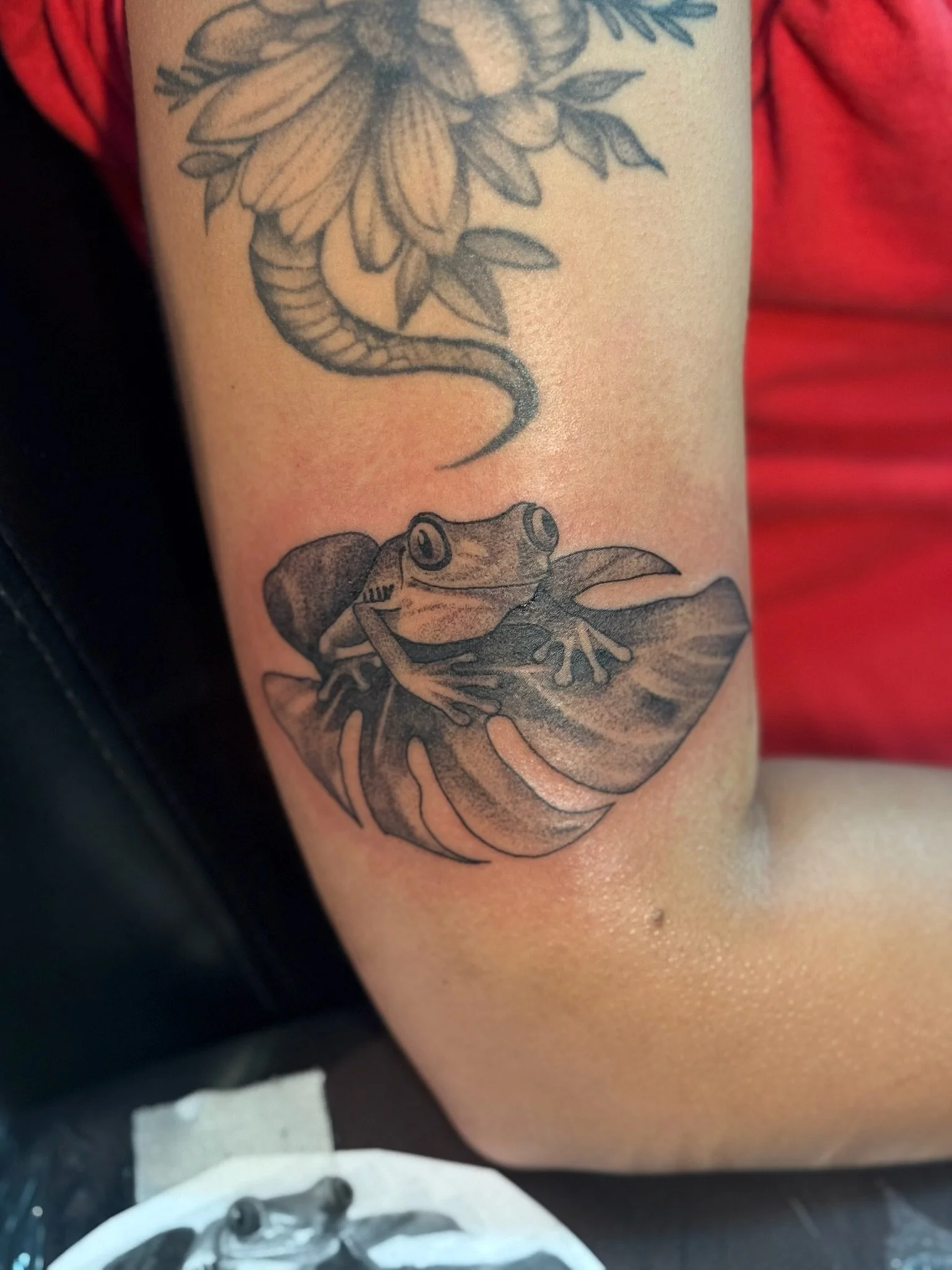
A new tattoo requires careful aftercare at any time of year, but summer in Kennesaw can introduce a few additional challenges.
Hot temperatures, humidity, sweating, strong UV exposure, outdoor activities, and swimming can all affect how comfortable your skin feels while a tattoo heals.
That does not mean summer is a bad time to get tattooed. It simply means you need to plan around the weather and understand how to protect healing skin.
If you are researching tattoo care in Kennesaw during summer, the most important areas to consider are sunlight, sweat, water exposure, clothing, exercise, and the timing of your appointment.
Why Is Summer Tattoo Care Different in Kennesaw?
A fresh tattoo is healing skin. During normal healing, you may experience some soreness, redness, itching, flaking, or scabbing.
Summer can add environmental factors that make the area feel more irritated, including:
Increased sweating
Direct sunlight
Humidity
Tight or rubbing clothing
Outdoor exercise
Swimming
Longer periods outside
Heat and moisture against the skin
The American Academy of Dermatology recommends protecting tattooed skin from UV exposure because ultraviolet light can fade some tattoo inks. For healed tattooed skin, the AAD recommends broad-spectrum, water-resistant SPF 30 or higher.
For a fresh tattoo, however, sun protection starts with limiting direct exposure and following appropriate aftercare instructions.
How Should You Protect a New Tattoo From the Kennesaw Sun?
Direct sunlight is one of the biggest things to consider when planning summer tattoo aftercare.
A fresh tattoo should not be intentionally exposed to strong sunlight. During the healing period, shade and appropriate clothing can help protect the area.
If you need to spend time outside:
Stay in the shade whenever practical.
Avoid intentional tanning.
Use clean, loose clothing to cover the area when appropriate.
Limit prolonged direct sun exposure.
Follow the aftercare instructions provided by your tattoo professional.
The CDC recommends protecting skin from excessive UV exposure and using shade, protective clothing, and sunscreen when appropriate. It also notes that UV exposure is generally strongest during the middle portion of the day.
This is not only about preserving tattoo color. UV exposure can damage the skin itself.
When Can You Use Sunscreen on a New Tattoo?
One of the most common questions about tattoo sun protection in Kennesaw is when sunscreen should be introduced.
A fresh tattoo should not simply be treated like completely healed skin. During the early healing stage, follow the specific aftercare instructions you received and focus on keeping the area protected from direct sunlight.
Once the tattoo has healed, sunscreen becomes an important part of long-term tattoo care.
The American Academy of Dermatology recommends broad-spectrum, water-resistant SPF 30 or higher for tattooed skin and advises reapplying sunscreen at least every two hours.
For additional information, see the AAD's sunscreen selection guidance.
Why does sun protection matter after healing?
UV exposure can gradually affect the appearance of tattoo pigment.
Repeated sun exposure may contribute to:
Fading
Reduced contrast
Changes in color intensity
Premature skin aging
Once a tattoo has healed, sunscreen should become part of your regular skincare routine whenever the tattooed area will be exposed to the sun.
Can Sweat Irritate a Healing Tattoo?
Sweat does not automatically mean a tattoo will heal poorly. The bigger concern is the combination of heavy sweating, moisture, friction, and repeated touching or rubbing.
This can become especially noticeable during a hot Kennesaw summer.
If you sweat heavily:
Avoid aggressively rubbing the tattoo.
Follow your recommended cleansing routine.
Change out of heavily sweaty clothing when practical.
Avoid unnecessary touching.
Pay attention to friction around the tattooed area.
The goal is not to stop yourself from sweating completely. Instead, minimize prolonged irritation and follow consistent aftercare.
Can You Exercise With a New Tattoo in Summer?
Exercise may be possible during tattoo healing, but the location of the tattoo and the type of activity matter.
A workout can involve:
Heavy sweating
Friction from clothing
Repeated movement
Contact with gym equipment
Outdoor UV exposure
Accidental touching
For example, a tattoo on the thigh may experience friction from workout shorts, while a shoulder tattoo could rub against a shirt or athletic strap.
If you are planning a large or detailed tattoo, consider your exercise schedule before booking your appointment.
For people researching custom tattoos in Kennesaw, the placement and size of the design are worth discussing during the planning process. Larger or more complex work may also require more advance planning than a small design.
Can You Swim With a New Tattoo?
Swimming is one of the summer activities that requires the most planning around a new tattoo.
Pools, lakes, rivers, beaches, and hot tubs all involve water exposure. A healing tattoo should not simply be treated as ordinary intact skin.
If you have an upcoming:
Pool day
Lake trip
Vacation
Water park visit
Swimming workout
Beach trip
consider scheduling the tattoo around that activity rather than immediately before it.
This is especially important if swimming is already a major part of your summer plans.
For tattoo swimming aftercare, follow the specific instructions provided by your tattoo professional and avoid assuming that waterproof coverings make extended swimming appropriate during healing.
Does Kennesaw Humidity Affect Tattoo Healing?
Humidity does not automatically cause a tattoo to heal badly, but hot and humid weather can make sweating and skin irritation more noticeable.
Your tattoo may feel:
Sticky
Itchy
More sensitive
Irritated by clothing
Uncomfortable after physical activity
The solution is usually not to add more products. Instead, keep your routine simple and consistent.
Follow the recommended cleansing and moisturizing instructions and avoid repeatedly touching the tattoo because it feels uncomfortable.
What Should You Wear Over a Healing Tattoo?
Clothing can make a noticeable difference in Kennesaw tattoo healing.
Loose, breathable clothing can help reduce unnecessary friction.
Consider the tattoo's location when choosing what to wear.
A:
Thigh tattoo can rub against shorts.
Shoulder tattoo can rub against straps.
Torso tattoo can come into contact with fitted shirts.
Ankle tattoo can rub against socks or footwear.
Back tattoo can experience friction from clothing and seating.
You do not need to keep the tattoo completely untouched. The goal is to minimize unnecessary rubbing and irritation.
How Should You Protect a Healed Tattoo From Summer Sun?
Once the tattoo has completely healed, consistent sun protection becomes part of maintaining the appearance of the tattoo and protecting the surrounding skin.
The AAD recommends broad-spectrum, water-resistant SPF 30 or higher for tattooed skin. It recommends applying sunscreen before going outdoors and reapplying at least every two hours.
The CDC also recommends combining sunscreen with shade and protective clothing to reduce UV exposure.
This matters during everyday Kennesaw activities, including:
Walking
Outdoor events
Sports
Hiking
Yard work
Patio activities
Day trips
Lake visits
A tattoo does not become immune to UV exposure simply because it has finished healing.
Are Tanning Beds Safe for Tattoos?
Tanning beds are not a safer way to get a tan.
The CDC states that indoor tanning exposes people to high levels of UV radiation and increases the risk of skin cancer.
The AAD also advises people with tattoos to avoid tanning beds and sunlamps because UV exposure can fade tattoo ink and may trigger painful reactions in some people.
If maintaining tattoo color is important to you, avoiding intentional UV exposure is one of the simplest long-term steps you can take.
Should You Schedule a Tattoo Before a Kennesaw Summer Vacation?
Think about your calendar before booking.
If you have an upcoming vacation, pool party, outdoor festival, sporting event, or lake trip, a fresh tattoo may make your plans more complicated.
Before your appointment, ask:
Will I be outside for several hours?
Will I be swimming?
Will I be exercising?
Will clothing rub against the tattoo?
Will I be exposed to direct sunlight?
Can I consistently follow my aftercare routine?
This is especially useful when planning a large custom piece.
You can explore available tattoo services in Kennesaw when considering the type, placement, and size of your next tattoo.
Should You Scratch an Itchy Tattoo?
Itching can be part of normal tattoo healing.
The AAD notes that normal healing can include redness, swelling, soreness, clear fluid, itching, flaking, and scabbing.
Summer heat can make itching feel more noticeable, particularly if you are sweating.
Try not to scratch or pick at peeling skin.
Instead, continue following your aftercare instructions and avoid unnecessary irritation.
What Tattoo Reactions Should You Watch For?
Not every change in a healing tattoo is an emergency, but unusual or worsening symptoms should not automatically be dismissed as normal healing.
The AAD notes that tattoo reactions can include swelling, redness, itchy bumps, blisters, hives, and other skin changes.
If you notice a reaction that is severe, worsening, or concerning, seek medical advice.
A dermatologist can evaluate changes in tattooed skin and determine whether a reaction requires treatment.
A Simple Summer Tattoo-Care Routine
Good new tattoo care in Kennesaw does not require a complicated routine.
During the healing period
Follow your tattoo professional's aftercare instructions.
Keep the area clean according to those instructions.
Avoid unnecessary touching.
Protect the tattoo from direct sunlight.
Avoid swimming while it heals.
Minimize friction.
Be mindful of heavy sweating.
Do not scratch or pick at peeling skin.
After the tattoo has healed
Use broad-spectrum SPF 30 or higher.
Choose water-resistant sunscreen for outdoor activities.
Reapply sunscreen as recommended.
Seek shade during prolonged outdoor exposure.
Wear protective clothing when practical.
Avoid tanning beds.
Keep the surrounding skin moisturized.
The AAD specifically recommends broad-spectrum, water-resistant SPF 30 or higher for protecting tattooed skin from UV exposure.
What Is the Best Way to Care for a Tattoo During a Kennesaw Summer?
The simplest approach is to think about the tattoo in three stages.
First: Protect the healing skin
Keep the tattoo away from direct sunlight, unnecessary friction, excessive touching, and prolonged water exposure.
Second: Adjust your summer activities
Plan workouts, swimming, vacations, outdoor events, and clothing around the healing period.
Third: Protect the healed tattoo
Once fully healed, make sunscreen and UV protection part of your regular routine.
The CDC recommends reducing excessive UV exposure through shade, protective clothing, and sunscreen.
Frequently Asked Questions
Can I put sunscreen on a new tattoo?
A fresh tattoo should not automatically be treated like healed skin. During the early healing period, follow your tattoo professional's aftercare instructions and protect the area from direct sunlight. Once healed, broad-spectrum SPF 30 or higher can be used as part of long-term tattoo care.
Does sweating make a new tattoo fade?
Sweating itself does not automatically cause tattoo fading. However, heavy sweating combined with friction, rubbing, and unnecessary touching can irritate healing skin. Keep the area clean according to your aftercare instructions.
Can I swim with a new tattoo?
Swimming should generally be avoided while a tattoo is healing. Plan pool, lake, beach, and water-related activities around the healing period rather than immediately after getting tattooed.
How do I protect my tattoo from the Kennesaw sun?
During healing, prioritize shade, appropriate clothing, and limiting direct sunlight. Once healed, use broad-spectrum, water-resistant SPF 30 or higher and reapply it as recommended.
Why does my tattoo itch more during summer?
Heat, sweating, humidity, and friction can make an already-healing tattoo feel more irritated. Itching can also be part of normal healing. Avoid scratching or picking at the area. If itching is accompanied by significant swelling, bumps, blisters, hives, or other unusual symptoms, seek medical advice.
Disclaimer
This article provides general educational information about tattoo care and skin protection. It is not a substitute for personalized medical advice, diagnosis, or treatment. If a healing tattoo develops severe, worsening, or unusual symptoms, consult a qualified healthcare professional or dermatologist.