How Do You Choose a Tattoo Style? A Guide for Kennesaw Clients
Choosing a tattoo style can be one of the most exciting parts of planning a new tattoo. It can also become overwhelming when you start looking through hundreds of designs on Instagram, Pinterest, and tattoo portfolios.
One image may catch your attention because of its detail. Another may appeal to you because of its bold lines, soft shading, vibrant colors, or personal meaning. The challenge is figuring out which style fits your idea, preferred appearance, placement, and expectations for the finished tattoo.
If you are looking for a tattoo shop in Kennesaw, GA, the first step is not simply choosing the style that is currently popular. It is understanding how different tattoo styles are created and finding an artist with experience in the approach you want.
Southern Ink Kennesaw offers several tattoo styles, including fine-line, black-and-grey, color realism, realism, traditional, and surrealism. Its artists' listed specialties vary, so reviewing the specific artist's portfolio is an important part of the decision.
Start With the Meaning Behind Your Tattoo
Before choosing a style, think about what you want the tattoo to communicate.
Some clients already have a specific image in mind. Others know the meaning they want to express but have not decided how it should look. Your reason for getting tattooed can influence the style, although there is no requirement for a tattoo to have a deep personal meaning.
For example:
A memorial design may work well with realism or black-and-grey shading.
A small botanical concept may suit fine-line work.
A bold symbol may fit a traditional approach.
A dreamlike concept may benefit from surrealism.
A portrait may require an artist with strong realism experience.
A colorful subject may be developed through color realism or another color-focused approach.
These are starting points, not strict rules. A skilled tattoo artist may interpret the same concept in several different styles.
The best choice depends on the image, the desired finish, your preferred aesthetic, and the artist's experience.
1. Fine-Line Tattoos
Fine-line tattoos use delicate-looking lines and carefully controlled details to create a lighter visual appearance. Designs may include botanical elements, small symbols, minimal compositions, and intricate details.
Fine-line work is often associated with a subtle aesthetic, but the term covers a range of approaches. Not every fine-line tattoo is tiny, and not every small tattoo is suitable for extremely delicate linework.
Who might prefer fine-line tattoos?
Fine-line may appeal to clients who want:
A lighter visual appearance.
Botanical or nature-inspired designs.
Small personal symbols.
Minimalist compositions.
Delicate decorative details.
A design that does not rely on heavy shading.
What should you consider?
The amount of detail, tattoo size, placement, and spacing all matter. Extremely small details may be difficult to maintain if the design is too complex for its size.
Ask the artist how much space the design needs and how the lines may change as the tattoo ages. Review healed examples when available, rather than judging the style only by freshly completed photographs.
Southern Ink Kennesaw lists fine-line work among its studio offerings and identifies artists with fine-line specialties. You can review the Southern Ink Kennesaw website to explore the studio's artist information.
2. Realism Tattoos
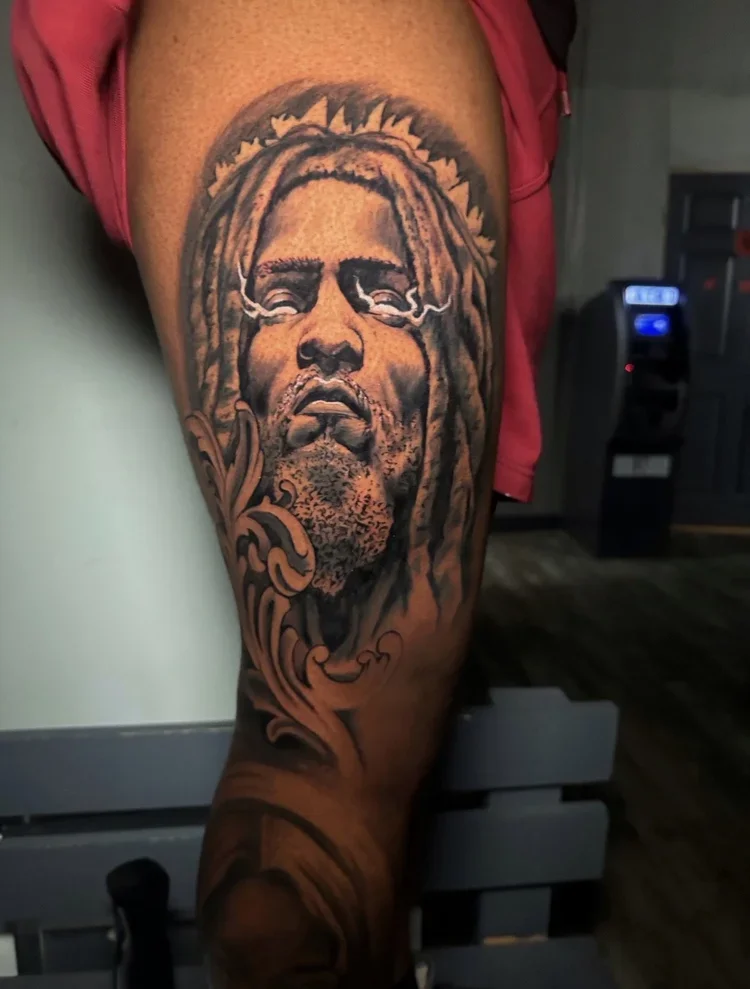
Realism aims to create an image that resembles its real-world subject. Common examples include portraits, animals, flowers, objects, and scenes.
Realistic tattoos depend on accurate proportions, shading, contrast, texture, and composition. The result can be black-and-grey or color-based, depending on the artist's approach and the design.
When does realism make sense?
Realism may be suitable if you want:
A portrait of a person or animal.
A lifelike flower or natural subject.
A detailed representation of an object.
A scene based on a photograph.
A tattoo that emphasizes realistic proportions and shading.
A strong reference image can help the artist understand the subject, but the tattoo still needs to be adapted to the skin and the available space.
Why the artist's portfolio matters
Realism is not one uniform technique. Artists may approach portraits, animals, textures, and compositions differently.
When comparing tattoo artists in Kennesaw, look for examples that resemble your desired subject and finish. A person who specializes in realistic portraits may not have the same experience with architectural scenes or highly detailed animals.
Discuss the design's size, placement, contrast, and expected session time before booking.
3. Black-and-Grey Tattoos
Black-and-grey tattoos use black ink, diluted values, and shading to create contrast and depth without relying on multiple colors.
The style can range from soft and subtle shading to dramatic, high-contrast compositions. It can also overlap with realism, fine-line work, portraiture, and other tattoo approaches.
What makes black-and-grey appealing?
Clients may choose black-and-grey tattoos because they prefer:
A monochromatic appearance.
Strong contrast and shading.
Portraits or realistic subjects.
Symbolic or emotional imagery.
A design that does not depend on color.
A style that can be adapted to different tattoo concepts.
Black-and-grey does not automatically mean every tattoo will have the same appearance. The artist's shading technique, linework, contrast, and composition influence the final result.
Questions to ask your artist
Before booking a black-and-grey tattoo, ask:
Do you specialize in soft shading or high-contrast work?
Can I see healed examples?
How will the design work with my skin tone and placement?
How much detail can the proposed size support?
Will the design need more than one session?
The Association of Professional Piercers focuses primarily on piercing safety, so tattoo clients should also review tattoo-specific safety information from the FDA when researching the general risks of tattooing.
4. Color Tattoos and Color Realism
Color tattoos use pigments beyond black and grey to create contrast, emphasis, and visual variation. Color realism applies realistic composition and shading principles while incorporating color into the image.
What can color add to a tattoo?
Color may help communicate:
The natural appearance of flowers, animals, or other subjects.
Contrast between different parts of a design.
A specific mood or visual atmosphere.
A connection to a favorite color palette.
A more vivid or illustrative appearance.
Color does not automatically make a tattoo more detailed or longer-lasting. The final result depends on the technique, pigment selection, placement, skin, aftercare, and exposure to sunlight over time.
What should you discuss?
Ask your artist about:
The color palette.
How much contrast the design needs.
How the colors work with your skin tone.
The size required for the details.
The expected healing process.
Sun protection and long-term care.
The American Academy of Dermatology's tattoo care information provides general guidance about tattoo and piercing skin care.
5. Traditional Tattoos
Traditional tattoos are associated with bold outlines, strong shapes, clear compositions, and recognizable visual motifs. The exact approach can vary by artist and tradition.
Traditional-inspired designs may include animals, flowers, symbols, maritime imagery, and other subjects adapted to the style's visual language.
Southern Ink Kennesaw's homepage describes its tattoo services as ranging from timeless traditional pieces to ultra-realistic work.
Why do clients choose traditional tattoos?
Traditional-inspired work may appeal to people who prefer:
Bold, readable outlines.
Strong visual contrast.
Recognizable motifs.
A classic tattoo appearance.
Designs that remain visually clear without excessive detail.
Traditional does not mean that every tattoo must use the same subject matter or color arrangement. Discuss your preferred direction with the artist and review examples of their actual work.
What to consider before booking
Think about the size, placement, composition, and level of customization. A traditional-inspired tattoo can be adapted to your concept, but the design should still be planned around the body's shape and the artist's technical approach.
If you are interested in a custom piece, ask about the studio's tattoo consultation and booking process before confirming an appointment.
6. Surrealism Tattoos
Surrealism combines recognizable imagery with unexpected, imaginative, or dreamlike elements. A design may blend objects, distort proportions, or create a scene that would not occur in everyday life.
Southern Ink Kennesaw's homepage lists surrealism as a specialty associated with one of its artists.
What might a surrealism tattoo look like?
Possible concepts include:
Objects combined in unusual ways.
Dreamlike landscapes.
Human and natural elements merged together.
Symbolic scenes with unexpected proportions.
Imagery inspired by dreams, imagination, or personal ideas.
Surrealism can be particularly useful when your concept is difficult to represent through a literal image.
How to prepare for a surreal tattoo
Bring references that explain the visual elements you like, but do not expect every reference to be copied exactly. A surreal design may require significant composition work to make the final tattoo coherent.
Discuss the following during your consultation:
The central subject.
The elements you want included.
The mood or atmosphere.
The desired level of realism.
The placement and available space.
How the different elements should connect.
A clear explanation of your idea gives the artist a better starting point for developing a custom composition.
7. Tribal and Afrocentric-Inspired Designs
Southern Ink Kennesaw's FAQ identifies tribal and Afrocentric designs among the styles its artists specialize in. It also notes that the studio welcomes clients of different skin tones and identities.
These design categories can involve cultural references, symbolic elements, bold patterns, and personal identity. However, tribal tattoo traditions are diverse, and a design should not be treated as interchangeable with every other tribal style.
What should you consider?
If you are interested in a tribal or Afrocentric-inspired design:
Research the cultural meaning of the symbols.
Explain what you want the design to represent.
Ask the artist about their experience with the relevant visual tradition.
Avoid selecting imagery solely because it looks attractive.
Discuss how the pattern will follow your body's shape.
Confirm whether the artist has suitable examples in their portfolio.
A consultation can help you explore the design respectfully and clarify which elements are appropriate for your concept.
8. Combining Tattoo Styles
You do not always have to choose a single style for the entire tattoo. Some designs combine approaches, such as realism with black-and-grey shading, fine-line details with illustrative elements, or traditional-inspired composition with custom imagery.
However, combining styles requires planning. Different line weights, shading methods, and levels of detail may compete with one another if they are not brought together intentionally.
How to approach a mixed-style tattoo
Start by identifying the primary visual direction. Then discuss which additional elements you want to include.
For example:
A realistic subject with a graphic background.
A black-and-grey portrait with fine-line details.
A traditional-inspired symbol with customized elements.
A surreal composition that uses realistic shading.
A color-focused subject with contrasting blackwork details.
The artist should assess how the styles interact, how much space the design needs, and how the elements will work together over time.
How to Choose the Right Tattoo Style for Your Idea
If you are still unsure which style to choose, use the following process.
Step 1: Identify the subject
What do you want tattooed? It might be a person, animal, object, symbol, phrase, landscape, or abstract concept.
The subject can help narrow the styles that may work well.
Step 2: Decide how you want it to look
Ask yourself which visual characteristics appeal to you most:
Soft and subtle.
Bold and graphic.
Highly realistic.
Colorful and vivid.
Dark and shaded.
Dreamlike and imaginative.
Classic and recognizable.
This helps you communicate your preferences during a consultation.
Step 3: Consider the size and placement
Some designs need more space than others. Small tattoos may not accommodate extensive detail, while larger tattoos may allow for more complex shading and composition.
Your artist can recommend an appropriate size based on the design, placement, and desired result.
Step 4: Review the artist's portfolio
Do not choose a style based only on an image from another artist. Find someone who has demonstrated experience with the type of work you want.
Look for several examples and, when possible, healed work.
Step 5: Discuss longevity and aftercare
Ask how the design may change over time and what care it will require during healing. Sun exposure, friction, placement, and personal aftercare habits can affect the appearance of a tattoo.
The FDA's tattoo safety resource provides general information about tattoo risks, including possible infections and reactions.
Step 6: Schedule a consultation
A consultation gives you the opportunity to discuss your concept, style, size, placement, and pricing before the tattoo appointment.
If you are not sure which artist best matches your idea, explain that during the booking process.
Questions to Ask Your Tattoo Artist in Kennesaw
Before confirming your appointment, consider asking:
Which tattoo styles do you specialize in?
Can I see examples of work similar to my idea?
Do you have healed examples of this style?
What size would you recommend for the design?
How will the placement affect the composition?
How is the tattoo price calculated?
How long might the appointment take?
Will the design require more than one session?
What aftercare instructions will I receive?
What should I know before booking?
These questions can help you understand the process and decide if the artist's experience matches your expectations.
Why the Artist Matters More Than the Style Name
Two artists may describe their work using the same style label but produce very different results. One realism artist may focus on portraits, while another specializes in animals or surreal compositions. One fine-line artist may prefer botanical work, while another focuses on lettering or ornamental details.
This is why style names should be treated as a starting point rather than a guarantee.
When reviewing Southern Ink Kennesaw's artists and studio information, examine the specific examples that are closest to your idea. Look at the composition, linework, shading, color choices, and overall finish.
The right artist is not necessarily the one who offers the largest number of styles. It is the artist whose demonstrated skills align with the tattoo you want to create.
Final Thoughts: Choose a Style That Fits Your Vision
Choosing a tattoo style becomes easier when you stop trying to find the single most popular option and focus on the design you actually want.
Fine-line, realism, black-and-grey, color realism, traditional, surrealism, and tribal or Afrocentric-inspired work can each create different visual results. The best approach depends on your concept, preferred appearance, placement, and the artist's experience.
Before booking a tattoo in Kennesaw, review portfolios, ask questions, discuss your expectations, and give yourself time to understand the design. A consultation can help turn an initial idea into a tattoo that is appropriate for your body and aligned with your artistic preferences.
The style is only one part of the process. The artist, design planning, studio safety, communication, and aftercare all contribute to the overall tattoo experience.
Frequently Asked Questions
1. What tattoo styles does Southern Ink Kennesaw offer?
Southern Ink Kennesaw's published information identifies fine-line, black-and-grey, and color realism among its offerings. Its homepage also references realism, surrealism, and traditional tattoo work. Artist specialties may vary, so confirm the available artist and style before booking.
2. How do I know which tattoo style is right for me?
Start with the subject, visual appearance, size, and placement you want. Review portfolios from artists who work in the relevant styles, then discuss your concept during a consultation.
3. Is fine-line tattooing suitable for every design?
No. Fine-line work may not be appropriate for every size, placement, or level of detail. Ask the artist how the design should be scaled and whether the details can be effectively translated onto the skin.
4. What is the difference between realism and color realism?
Realism focuses on creating a lifelike representation of a subject. Color realism applies realistic composition and shading while using color. Realism can also be performed in black and grey.
5. Can a tattoo artist combine different styles?
Yes, some tattoos combine multiple visual approaches. The artist should evaluate how the linework, shading, colors, and composition will work together before developing the final design.
6. Should I choose an artist based only on their preferred style?
No. Consider the artist's actual portfolio, experience with your subject, placement, and desired level of detail. A style label alone does not guarantee that the artist is the right match for your project.
7. What should I bring to a tattoo consultation?
Bring reference images, notes about your concept, your preferred placement, approximate size, and examples of styles you like. Explain which parts of the references appeal to you instead of expecting an exact copy.