How Tattoo Cover-Ups Work: Turning an Old Tattoo Into New Art in Kennesaw, GA
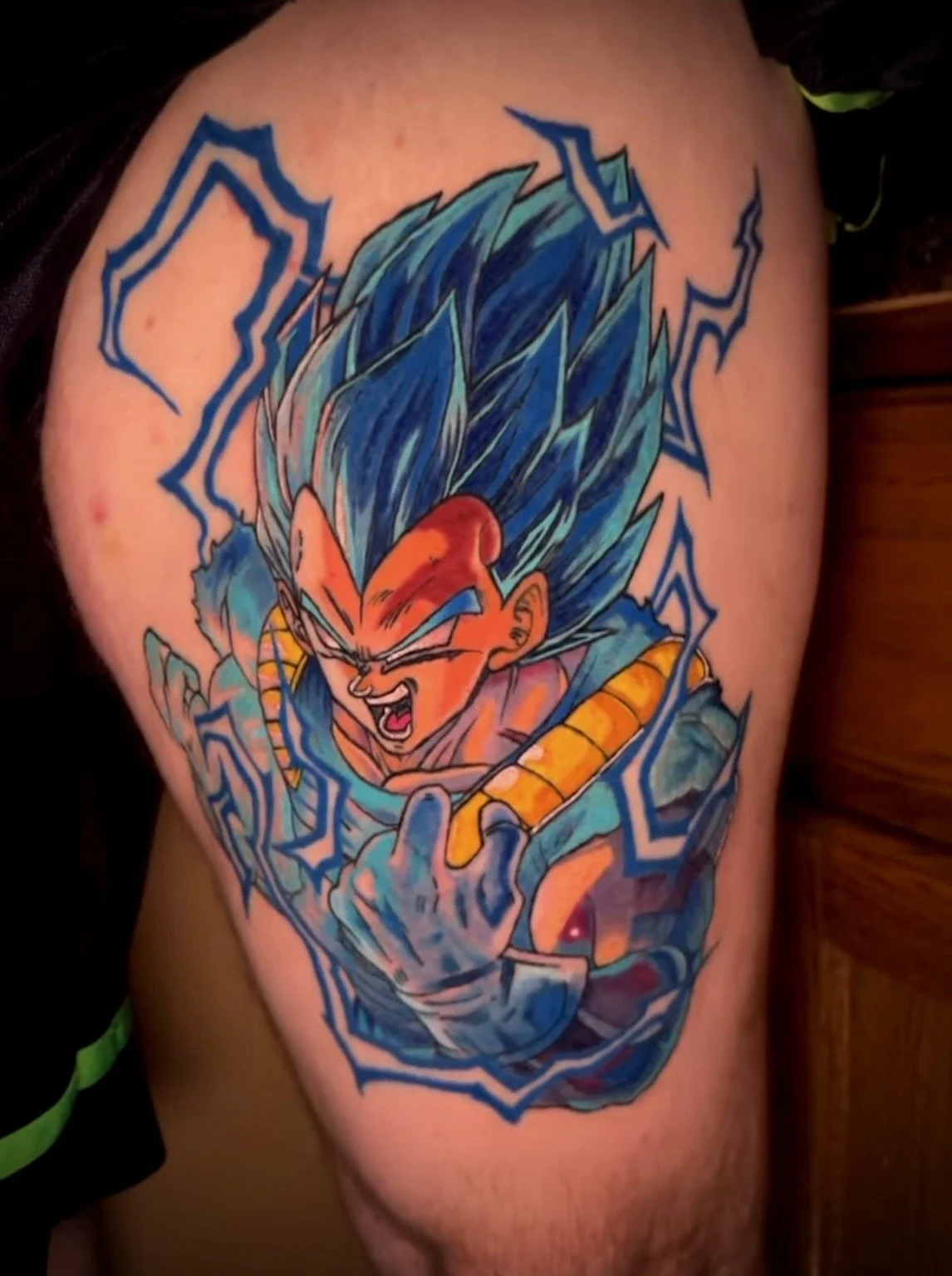
A tattoo you once loved may no longer reflect your style, personal story, or preferences. Sometimes the lines have blurred, the colors have faded, or the original design simply no longer feels right. The good news is that a skilled tattoo artist may be able to transform an existing tattoo into a design that feels more like you today.
At Southern Ink Kennesaw, we understand that planning a tattoo cover-up involves more than choosing a new image. The existing tattoo, its colors, the condition of the skin, and the design you want all influence what is possible. A successful cover-up requires careful planning, artistic judgment, and an honest conversation about expectations.
So, how do tattoo artists create a cover-up? The process usually begins with evaluating the old tattoo, selecting a suitable design, and building a composition that works with the existing ink rather than simply placing a new image over it.
What Is a Tattoo Cover-Up?
A tattoo cover-up is a new tattoo designed to conceal or visually transform an existing tattoo. Instead of removing the original ink first, the artist incorporates its placement, color, and shape into a new design.
The goal is to create artwork that draws attention to the new composition while reducing the visibility of the previous tattoo.
Cover-ups can be used to address many situations, including:
An old design that no longer matches your style.
A tattoo with faded or uneven color.
A name, symbol, or image you no longer want.
Artwork that has blurred or lost some of its original definition.
A tattoo that needs a more balanced or visually cohesive design.
Not every tattoo can be covered with every design. A small, lightly inked tattoo may offer more options than a large, dark design with heavy outlines. This is why an in-person assessment is an important first step when considering a tattoo cover-up in Kennesaw.
How Do Tattoo Artists Create a Cover-Up?
Creating a cover-up involves several artistic and technical decisions. The artist needs to understand the existing tattoo before determining how to design something new around it.
1. Assessing the Existing Tattoo
The first step is examining the tattoo you want to cover. An artist considers its size, location, dominant colors, line thickness, shading, and overall darkness.
For example, a tattoo with light shading and plenty of open skin may be easier to conceal than one with dense black ink. Thick outlines can also influence the shapes and details needed in the new design.
The artist will consider the condition of the skin, too. If the area is still healing, irritated, or scarred, it may need additional attention before another tattoo can be applied.
During a consultation, we encourage clients to explain what they dislike about the existing tattoo and what they hope to achieve. Understanding both helps us explore designs that address the original concerns.
2. Choosing a Design That Can Conceal the Old Ink
One of the biggest misconceptions about tattoo cover-ups is that any new design can hide any old tattoo.
In reality, the new artwork must be selected with the existing ink in mind. The artist may recommend a larger design, stronger contrast, deeper shading, or a composition with enough visual detail to integrate the original lines.
For example, an older lettering tattoo might be incorporated into a floral composition, ornamental design, or another image with suitable shapes and shading. A dark symbol may require a design with substantial darker areas to help disguise it.
The best option depends on the specific tattoo. An artist should explain why a design is likely to work rather than promising that every mark will disappear completely.
Looking through portfolios of tattoo artists in Kennesaw can help you identify artists whose work demonstrates thoughtful composition, shading, and detailed design.
3. Using Color, Contrast, and Shading Strategically
Color plays a major role in cover-up design. Tattoo artists use contrast, darker areas, layered shading, and visual texture to help the new artwork conceal the old tattoo.
However, adding a darker color does not automatically guarantee a successful result. The original ink can remain visible if the new design does not account for the placement and intensity of the existing lines.
Some cover-ups work well with black-and-grey realism, illustrative artwork, ornamental designs, or floral patterns. Others may benefit from color, depending on the original tattoo and the client's preferences.
The artist's job is to find a balance between concealment and a design that looks intentional. A cover-up should not feel like a random collection of dark areas added only to hide the original tattoo.
4. Adjusting the Size and Placement
A cover-up often needs to be larger than the tattoo underneath it. Additional space gives the artist more room to work with the original lines, distribute shading, and create a coherent composition.
This does not mean every cover-up needs to become a large tattoo. The amount of additional coverage depends on the old tattoo and the proposed design.
Placement matters as well. An artist may adjust the angle, flow, or proportions of the new artwork to work with the body's natural contours and reduce attention to the original design.
During a consultation, we discuss the practical trade-offs between size, style, and concealment. If keeping the new tattoo very small limits the available design options, it is better to understand that before starting.
5. Planning the Artwork Before Tattooing
Once the artist understands the existing tattoo and your goals, the next step is developing a design concept.
This may involve reviewing references, discussing preferred styles, considering placement, and deciding which areas require the strongest coverage. The artist may also explain why certain details need to change to make the design work.
At Southern Ink Kennesaw, we believe a clear consultation helps clients understand the creative decisions involved. The purpose is not simply to replace an old tattoo with a new image. It is to plan a piece that suits the person's preferences while accounting for the limitations of the existing ink.
You can review our tattoo services in Kennesaw and prepare questions about design options before arranging a consultation.
Which Tattoo Styles Work Best for Cover-Ups?
There is no single style that works for every cover-up. The most suitable approach depends on the old tattoo's characteristics and the new design you want.
Some possibilities include:
Floral designs: Petals, leaves, and layered shapes can provide opportunities to incorporate existing lines and shading.
Black-and-grey realism: Carefully planned dark and light areas can help integrate an older tattoo into a more detailed composition.
Illustrative designs: Strong shapes and varied linework may help disguise portions of an existing image.
Ornamental tattoos: Repeated patterns and flowing details can help create a balanced design around the original tattoo.
Abstract artwork: Shapes, textures, and contrast may offer flexibility when the old tattoo has an irregular composition.
These are examples, not guarantees. A style that works beautifully for one cover-up may be unsuitable for another. Your artist should evaluate the existing tattoo before recommending a direction.
Can a Black Tattoo Be Covered With Color?
Sometimes, but the result depends on how dark and dense the original tattoo is. Black ink can be difficult to conceal with lighter colors because the existing pigment may remain visible through the new design.
An artist may recommend incorporating dark areas, adjusting the color palette, or choosing a composition that uses the original tattoo as part of the visual structure.
If your goal is a light-colored or delicate design over a very dark tattoo, the available options may be limited. It is worth discussing those limitations before committing to a particular concept.
In some cases, laser tattoo removal or fading sessions may help create more flexibility for a later cover-up. Laser treatment is not necessary for every tattoo, and suitability should be assessed by a qualified provider. Your tattoo artist can explain how fading might affect design options, but medical or laser-treatment decisions should be discussed with an appropriately qualified professional.
Does a Tattoo Cover-Up Hurt More Than a Regular Tattoo?
A cover-up does not automatically hurt more than a new tattoo. Discomfort depends on factors such as the location, size, session length, individual pain tolerance, and the condition of the skin.
The process may take longer than expected if the design requires extensive shading, detail, or coverage. Longer sessions can also mean more time experiencing the normal discomfort associated with tattooing.
If the existing tattoo is raised, scarred, irritated, or not fully healed, the artist may recommend waiting or having the area assessed before proceeding.
Be open about your concerns during the consultation. Discussing the expected session length, breaks, placement, and design complexity can help you prepare.
How Long Does a Tattoo Cover-Up Take?
There is no standard time for every cover-up. A small, relatively simple design may be completed in one session, while a larger or more detailed piece may require multiple appointments.
Factors that influence the timeline include:
The size and complexity of the new design.
How much of the original tattoo needs to be concealed.
The darkness and density of the existing ink.
The amount of shading or color work involved.
The artist's approach and the condition of the skin.
Your artist should provide a realistic estimate after evaluating the existing tattoo and discussing the proposed design. The final plan may differ from the original idea once the practical limitations become clear.
How Should You Prepare for a Cover-Up Consultation?
A productive consultation helps you understand your options before making a decision.
Bring clear photographs of the existing tattoo if you are arranging an initial discussion remotely. For an accurate assessment, the artist may still need to see the tattoo in person.
It also helps to prepare the following:
Examples of designs and styles you genuinely like.
A clear explanation of what you want to change about the original tattoo.
Your preferred placement and approximate size for the new piece.
Any concerns about colors, visibility, or the final appearance.
Questions about the estimated cost, session length, and aftercare.
Try to remain flexible about the final design. The image you initially imagine may need adjustments to achieve adequate coverage. A good consultation helps you understand the options and decide on an approach that makes sense for your tattoo.
Why Choose a Professional Tattoo Studio in Kennesaw for a Cover-Up?
Cover-up work requires careful judgment. The artist must understand how old ink affects a new composition and how to balance coverage with the appearance of the finished design.
When researching a tattoo studio in Kennesaw, review portfolios, ask about experience with cover-ups, and make sure you feel comfortable discussing the limitations of your existing tattoo. Be cautious of guarantees that every old tattoo can be completely concealed with any design.
Professional hygiene practices and appropriate aftercare remain essential, just as they are with any new tattoo. The U.S. Food and Drug Administration provides useful information about tattoo safety and potential skin reactions, including considerations that apply when getting tattooed.
At Southern Ink Kennesaw, we encourage clients to approach cover-ups as a collaborative design process. Clear communication, realistic expectations, and thoughtful planning help establish a strong foundation for the work.
Frequently Asked Questions About Tattoo Cover-Ups
1. Can every tattoo be covered up?
Not every tattoo can be completely concealed with a new design. Size, darkness, line thickness, placement, and skin condition all affect the available options. Some tattoos may benefit from laser fading before a cover-up.
2. Does a cover-up tattoo have to be bigger than the original?
Often, yes. A larger design gives the artist more room to incorporate the existing ink and create a balanced composition. The amount of additional size needed depends on the original tattoo and the new artwork.
3. What colors work best for tattoo cover-ups?
Darker tones and strong contrast are often useful, but the best palette depends on the old tattoo. Lighter colors may not fully conceal dense or dark ink. Your artist can recommend a suitable approach after examining the tattoo.
4. Can I cover up a tattoo that has scar tissue?
Possibly, but the condition of the skin matters. Raised, sensitive, or significantly scarred areas may require additional assessment. An experienced tattoo artist can discuss whether the area is suitable, and a healthcare professional should evaluate any concerning skin changes.
5. How much does a tattoo cover-up cost in Kennesaw?
Pricing varies according to the size, complexity, amount of coverage required, and estimated time. A consultation is the best way to obtain a realistic estimate for your specific tattoo.
Final Thoughts: A Better Tattoo Starts With a Better Plan
A tattoo cover-up is an opportunity to approach an old design with a fresh perspective. The process combines artistic problem-solving, technical skill, and a clear understanding of what the client wants to achieve.
The most successful results begin with an honest assessment of the existing tattoo, a suitable design, and realistic expectations about coverage, size, color, and time. Not every idea will work in the same way, but careful planning can reveal options you may not have considered.
If you are thinking about transforming an old tattoo, Southern Ink Kennesaw can be a starting point for exploring your options. Visit our Kennesaw tattoo studio website to learn more and prepare for a conversation about your cover-up goals.
Disclaimer: This article provides general educational information and does not guarantee a specific cover-up result. Individual outcomes depend on the existing tattoo, skin condition, design, and professional assessment. Consult a qualified healthcare professional concerning skin symptoms or questions about laser treatment.