How Long Does a Nose Piercing Take to Heal? A Kennesaw Guide
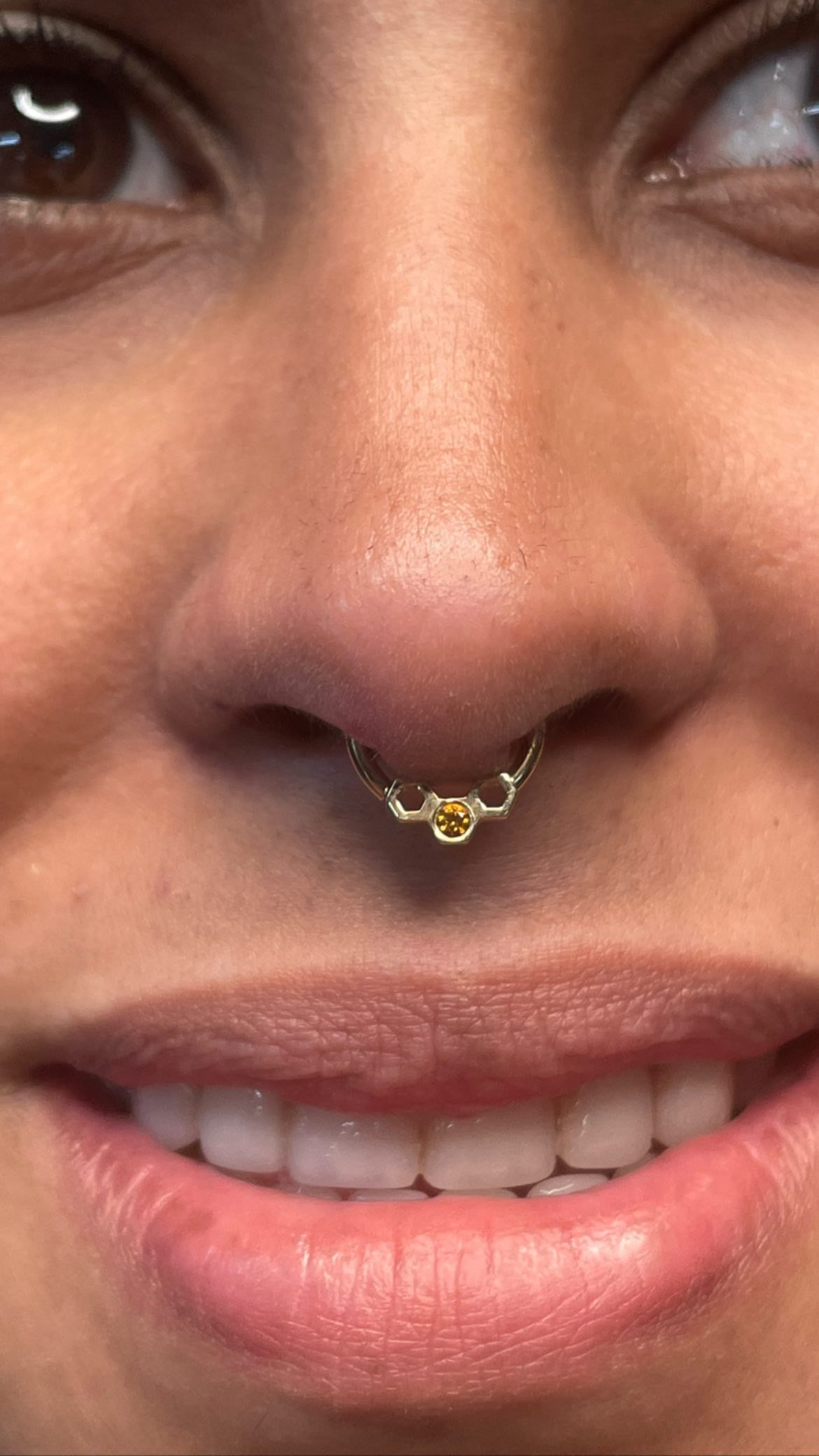
A new nose piercing can look and feel better within a few weeks, but that does not necessarily mean it has fully healed. If you are considering a nose piercing in Kennesaw, GA, understanding the healing process can help you prepare for the aftercare and avoid common mistakes.
A nostril piercing can take six months or longer to heal completely. The exact timeline depends on your body, the placement of the piercing, jewelry fit, and how well you protect the area during recovery. Patience and consistent aftercare are important, even after tenderness and swelling have disappeared.
How Long Does a Nose Piercing Take to Heal Completely?
A nostril piercing generally takes several months to heal, and some take six months or longer. The outside may appear healed before the tissue around the piercing channel has finished recovering.
During the first few days, mild swelling, tenderness, light bleeding, and localized redness can occur. These symptoms should gradually improve. In the following weeks, you may notice occasional itching or a small amount of pale crust around the jewelry.
The piercing can then enter a quieter healing stage. It may look normal and feel comfortable, but the tissue inside can still be delicate. Removing the jewelry or changing it too soon may irritate the area and set back healing.
The Association of Professional Piercers' guidance on body piercing aftercare explains why piercings need continued care even when they appear healed.
What Are the Stages of Nose Piercing Healing?
Everyone heals at a different rate, but these general stages can help you understand what to expect.
First Few Days: Swelling and Tenderness
Immediately after the piercing, the area may feel sore or sensitive. Minor swelling, redness, and a small amount of bleeding can occur.
Keep the area clean and avoid unnecessary contact with the jewelry. Try not to bump your nose while changing clothes, washing your face, or sleeping.
First Several Weeks: Early Recovery
Tenderness should gradually settle, although occasional irritation can happen if the jewelry catches on a towel, clothing, or your hands.
You may also see a small amount of pale fluid that dries into a crust. This can be part of normal healing, but increasing pain, warmth, swelling, or unusual discharge should not be ignored.
Continue your aftercare routine even if the piercing looks better.
Following Months: Deeper Healing
As the piercing matures, it may become less sensitive and easier to care for. However, the tissue inside the piercing channel can remain fragile.
Avoid changing the jewelry simply because the outside looks healed. Ask your professional piercer when a jewelry change is appropriate for your individual piercing.
What Can Make a Nose Piercing Take Longer to Heal?
Several factors can affect how quickly your piercing settles.
Touching or twisting the jewelry: Repeated movement can irritate the healing tissue.
Jewelry that does not fit properly: Jewelry that is too tight, too loose, or frequently snagged can cause ongoing irritation.
Harsh cleaning products: Alcohol, hydrogen peroxide, and strong antiseptics may damage or irritate healing tissue.
Inconsistent aftercare: Skipping appropriate cleaning or repeatedly disturbing the piercing can interfere with recovery.
Pressure and friction: Sleeping directly on the piercing, rubbing it with a towel, or catching it on clothing can cause setbacks.
Individual healing differences: General health, skin sensitivity, and other personal factors can influence recovery.
Choosing a professional piercing studio in Kennesaw and following clear aftercare instructions can help you reduce avoidable irritation.
How Should You Clean a New Nose Piercing?
A simple, gentle routine is usually best. Over-cleaning and using too many products can irritate the area instead of helping it heal.
Follow these basic steps:
Wash your hands thoroughly before touching the area for necessary care.
Use sterile saline wound wash with 0.9% sodium chloride as the only active ingredient, following your piercer's instructions.
Gently rinse away loosened debris without picking at crusts or forcing the jewelry to move.
Pat the area dry with a clean, disposable paper product or sterile gauze.
Leave the jewelry alone between cleaning sessions.
Avoid homemade salt mixtures that may be too concentrated, contact lens solution, alcohol, hydrogen peroxide, and unnecessary ointments. Do not twist or rotate the jewelry during cleaning.
For more detailed guidance, read the Association of Professional Piercers' aftercare recommendations. Your piercer can also explain how to care for your specific placement and jewelry.
When Can You Change Your Nose Piercing Jewelry?
It is best to leave the initial jewelry in place throughout healing unless a qualified piercer recommends a change because of fit or another concern.
A piercing that no longer feels sore is not automatically ready for new jewelry. Changing it too early can injure the healing channel, introduce irritation, and make reinsertion difficult.
If the initial jewelry feels too tight, becomes embedded, or causes persistent irritation, do not try to force it out or replace it yourself. Contact your piercer for an assessment. Jewelry changes and downsizing should be guided by a qualified professional.
Before booking a nose piercing appointment in Kennesaw, you can review Southern Ink Kennesaw's frequently asked questions and prepare any questions about jewelry, aftercare, and follow-up visits.
What Should You Avoid While Your Nose Piercing Heals?
A few everyday habits can make a difference during recovery.
Avoid touching the piercing with unwashed hands.
Do not twist, spin, or repeatedly move the jewelry.
Keep makeup, skincare products, and sprays away from the piercing opening.
Be careful when drying your face, putting on clothes, and handling towels.
Avoid pressure on the piercing while sleeping.
Avoid swimming in pools, hot tubs, lakes, and other bodies of water during healing, following your piercer's guidance.
Do not remove the jewelry early just to see if the piercing has healed.
These precautions help reduce unnecessary irritation and keep the healing area undisturbed.
How Do You Know If a Nose Piercing Is Infected?
Some mild tenderness and localized swelling can be normal early in healing. Symptoms that become more severe or continue to worsen deserve attention.
Contact a healthcare professional if you notice increasing pain, spreading redness, significant warmth, worsening swelling, thick or unusual discharge, or fever. Severe symptoms or feeling generally unwell may require urgent medical assessment.
Do not rely on appearance alone to determine if the piercing is healed. If you suspect an infection, seek medical advice and avoid removing the jewelry unless a healthcare professional tells you to do so.
The NHS guidance on infected piercings explains warning signs and when to seek medical help.
Is a Nose Piercing Worth the Healing Time?
For many people, a nose piercing is a personal style choice that can be worth the commitment. The key is understanding that the appointment is only the beginning. The following months require patience, gentle cleaning, and care to avoid unnecessary irritation.
If you are researching nose piercing options in Kennesaw, choose a professional studio where you can ask questions about placement, suitable jewelry, hygiene practices, and aftercare before making a decision.
You can visit Southern Ink Kennesaw to learn more about the studio and prepare for a conversation about your piercing plans. Having clear expectations before your appointment can help you feel more confident about the process.
Frequently Asked Questions
1. How many months does a nose piercing take to heal?
A nostril piercing may take six months or longer to heal completely. The timeline varies, and a piercing can look healed on the outside while the internal tissue is still recovering.
2. Can I change my nose ring after one month?
One month is generally too early to assume a nostril piercing is fully healed. Leave the initial jewelry in place unless a qualified piercer recommends a change for a specific reason.
3. Is it normal for a nose piercing to have a bump?
A bump can develop from irritation, pressure, jewelry fit, or other causes. It should not automatically be treated as an infection or a keloid. Avoid squeezing it or applying harsh products, and ask a qualified piercer or healthcare professional to assess persistent or worsening symptoms.
4. How often should I clean my nose piercing?
Follow the routine provided by your piercer and use sterile saline wound wash as directed. Avoid over-cleaning, twisting the jewelry, or using harsh products that can irritate the area.
5. Can I sleep on the side of my nose piercing?
Try to avoid direct pressure on a fresh piercing. Sleeping on it can cause friction, irritation, or movement of the jewelry, potentially delaying healing.
6. When should I get medical help for a nose piercing?
Seek medical advice if pain, redness, warmth, or swelling worsens, or if you develop unusual discharge or fever. Get urgent care for severe symptoms or if you feel significantly unwell.
Final Thoughts
A nose piercing needs more than a few weeks to heal properly. Although early swelling and tenderness may settle relatively quickly, complete healing can take six months or longer. Gentle saline care, suitable jewelry, and avoiding unnecessary movement can help support recovery.
If you are planning a nose piercing in Kennesaw, GA, take time to understand the procedure and aftercare before booking. Following professional guidance and recognizing warning signs can help you care for your new piercing throughout the healing process.
Disclaimer: This article provides general educational information and does not replace individualized advice from a qualified piercer or healthcare professional. Seek medical assessment if you suspect an infection or experience worsening symptoms.